Two interventions prevent visible skin aging with settled evidence, and you can do both at home: a nightly retinoid and daily broad-spectrum sunscreen. Every in-office device — microneedling, fractional laser, radiofrequency — sits on top of that base as an add-on for a specific concern, and the evidence behind them is uneven. Here is the honest ranking.
The base that everything else stacks on
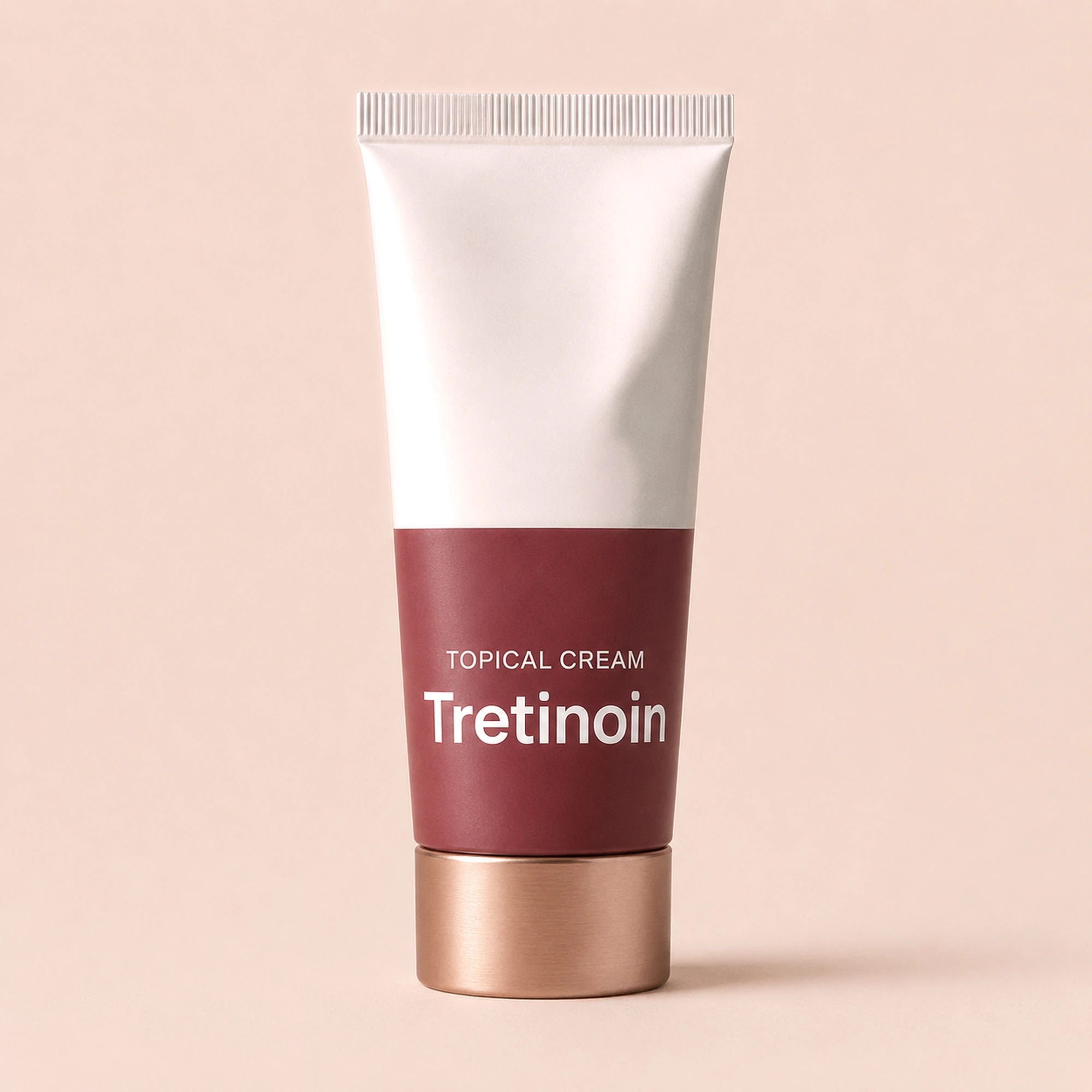
Nightly tretinoin plus morning broad-spectrum SPF. This is not a hedged recommendation; it is settled dermatology. Tretinoin is a retinoic-acid receptor agonist: it normalizes keratinocyte turnover and upregulates dermal collagen synthesis, which is why it softens fine lines and evens pigment over months rather than weeks. It is FDA-approved for photoaging on the strength of decades of randomized trials. Sunscreen works upstream of all of it — UVA drives the dermal-matrix breakdown that reads as aging, so blocking UV prevents the damage you would otherwise pay a laser to reverse. If you are not doing both, no device is worth booking.
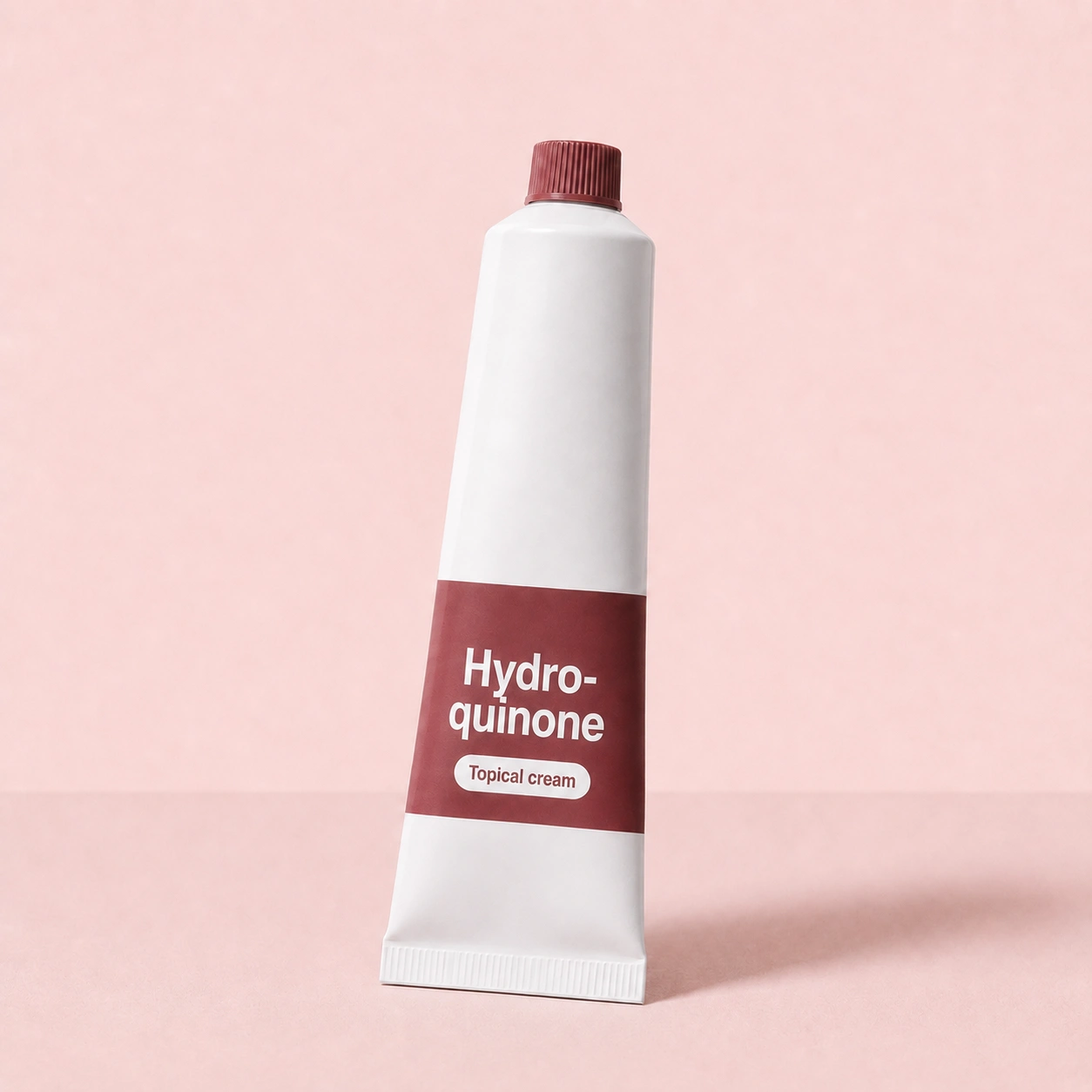
For discrete dark spots, add hydroquinone as a targeted course, not a forever product.
What actually changes in month two
Manage the timeline honestly. A retinoid does nothing visible for the first few weeks except irritate — redness, flaking, and dryness during the ramp are expected and fade as the skin adapts. Texture and tone shift over months of consistent use; collagen remodeling is slow biology, not something you can rush.
The in-office menu, ranked by evidence — not by price
Be candid about calibration: the device evidence is mostly small split-face studies and industry-funded series, not large independent RCTs. So this ranks by strength of signal, and all of it is tier 2 — probable, not proven.
- Fractional laser (Fraxel, Halo). The best-supported in-office option for pigmentation, texture, and fine lines. Bigger effect, real downtime, higher cost.
- Radiofrequency microneedling (Morpheus8, Vivace). The most consistent signal for mild skin laxity — useful in the late-30s-to-mid-40s window, before laxity becomes surgical.
- Microneedling with PRP. Modest, measurable improvement in texture and fine lines across a series of sessions. Cheaper, gentler, smaller effect.
- IPL. Narrowly useful for vascular redness and superficial pigment. Not a wrinkle treatment.
The numbers we would want before calling any of these settled — durable effect sizes from independent head-to-head trials — mostly do not exist yet. Treat the order above as clinical consensus, not a proven hierarchy.
What is not worth your money
Against our own referral interest: skip the at-home red-light masks (mild, slow, overpriced), the cryotherapy facials (pleasant, no durable change), and anything sold as a “stem cell” topical (the label is marketing — intact stem cells do not survive in a jar or cross the stratum corneum). What would change our mind on any of them: a well-powered RCT showing durable collagen change. Not there yet.
What to actually do, by decade
- Under 30: tretinoin + SPF. Nothing else moves the needle yet.
- 30–45: tretinoin + SPF, plus occasional microneedling or IPL for a specific concern.
- 45+: tretinoin + SPF, plus RF microneedling or fractional laser; add Botox and fillers if they fit your goals.
We don’t perform these in-clinic procedures at Zappy — we refer to vetted partner clinics when they genuinely fit. Not sure where you land? Start with the quiz.
The open question
What the field still hasn’t answered: how these devices compare head-to-head over years, not weeks, and whether their gains hold without repeat sessions. Until independent long-term trials exist, the retinoid-and-sunscreen base is the only part of this article we would call proven.
The takeaways
- Evidence (settled): Nightly tretinoin + daily broad-spectrum SPF prevent and partly reverse photoaging.
- Guideline/consensus (tier 2): Fractional laser, RF microneedling, microneedling + PRP, and IPL each help specific concerns; the ranking reflects signal strength, not a proven hierarchy.
- Our clinical opinion: Under 30, spend nothing on devices. Red-light masks and “stem cell” topicals are not worth it at any age.