Semaglutide vs Tirzepatide
Same family, different math: GLP-1 alone or GLP-1 + GIP. Here is how to choose.
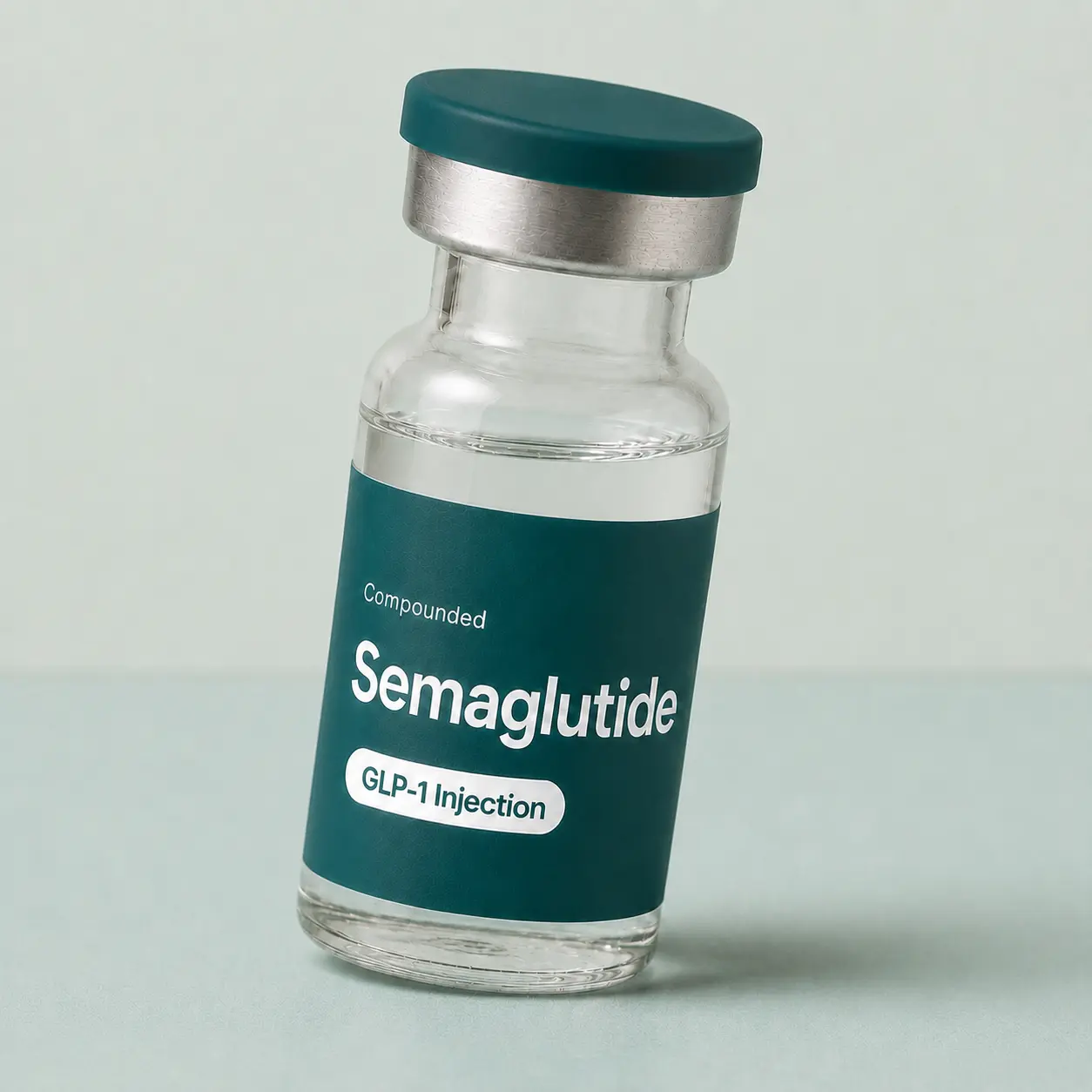
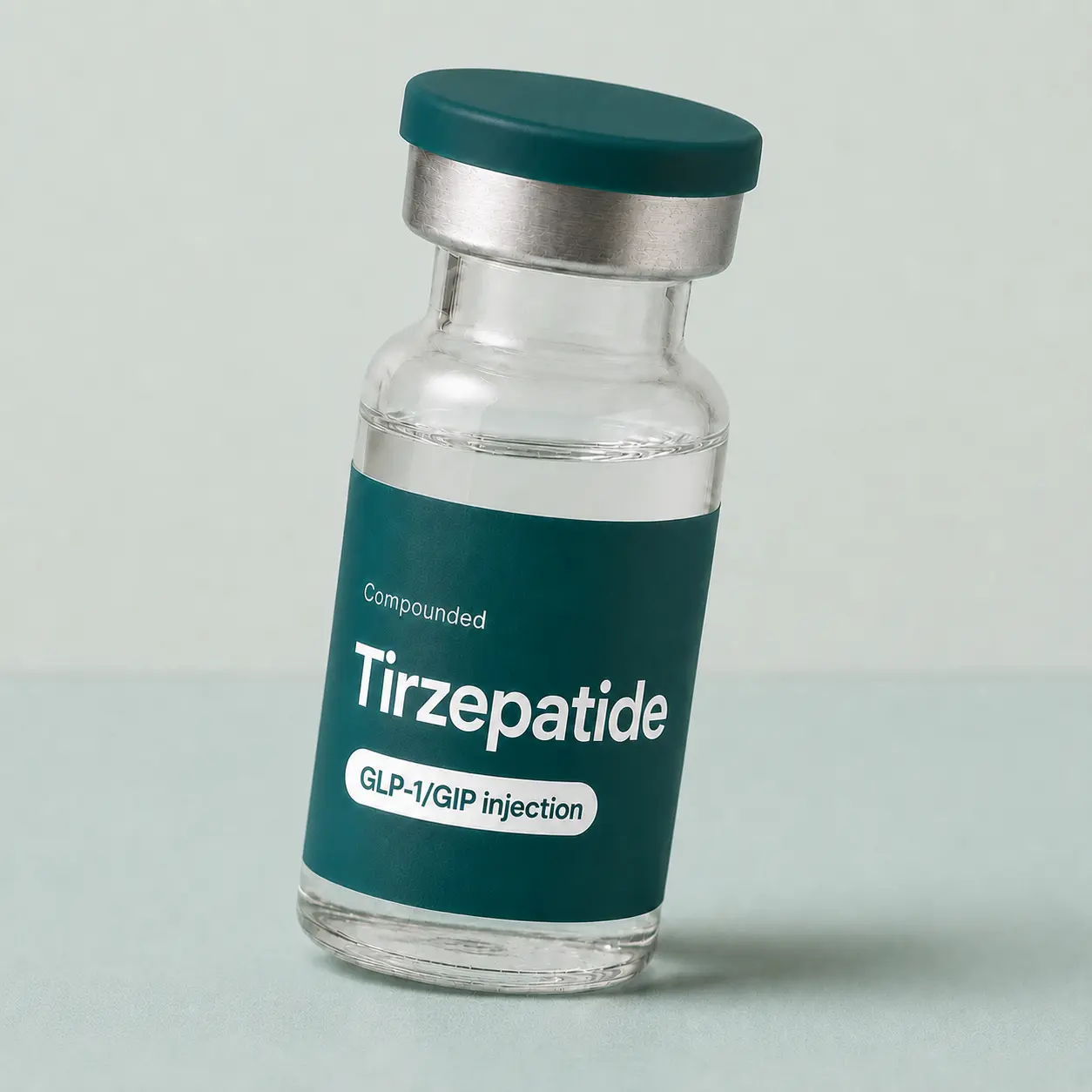
Semaglutide and tirzepatide are the two most prescribed GLP-1 weight-loss medications. Both quiet appetite and slow gastric emptying; tirzepatide adds a second receptor (GIP) that drives higher trial outcomes at the cost of titrating up further. Cost, side-effect tolerance, and whether your clinician thinks the GIP arm helps you are the levers that decide.
Side by side.
Who picks which.
- Existing cardiovascular disease — SELECT trial data is unique to semaglutide
- Lower-side-effect ceiling preferred
- Cost-sensitive, want the longer track record
- Greater total weight-loss potential is the priority
- Tolerated GLP-1 in the past and want a stronger response
- Insulin-resistant or pre-diabetic — GIP arm may help
If you have established cardiovascular disease or want the lower-priced option with the longest track record, semaglutide. If your goal is maximum total weight loss and you can titrate slowly, tirzepatide. Your clinician should make the call from your labs and history.
See if I qualifyPrescription treatments require an online visit reviewed by a U.S.-licensed provider, who determines if a treatment is clinically appropriate. Compounded medications are prepared by licensed U.S. pharmacies and are not FDA-approved. Individual results vary.
Questions, answered.
Can I switch from one to the other?
Which has more nausea?
Are compounded versions safe?
Related comparisons
All comparesTwo FDA-approved brands, two different molecules. The choice is really semaglutide vs tirzepatide, with branded pricing.
Read the comparison →One is FDA-approved; the other is compounded by a 503A pharmacy. Here is what changes between them — and what to weigh.
Read the comparison →Same active ingredient (semaglutide). Different FDA label. Here is what that actually means.
Read the comparison →