GLP-1 medications help polycystic ovary syndrome for one reason: most PCOS is an insulin-resistance disorder, and GLP-1 receptor agonists lower insulin resistance — directly, and through weight loss. Worth knowing up front, though: the large trials behind these drugs measured weight and cardiovascular events, not ovaries. The PCOS-specific payoff is sound in mechanism but thinner in trial data than the weight-loss numbers make it sound.
Insulin is the lever
In most women with PCOS, hyperinsulinemia is a central driver. It pushes the ovary to make more androgen, and that androgen drives the visible syndrome — acne, oily skin, hirsutism, irregular or absent cycles. Lower the insulin and you lower the androgen signal.
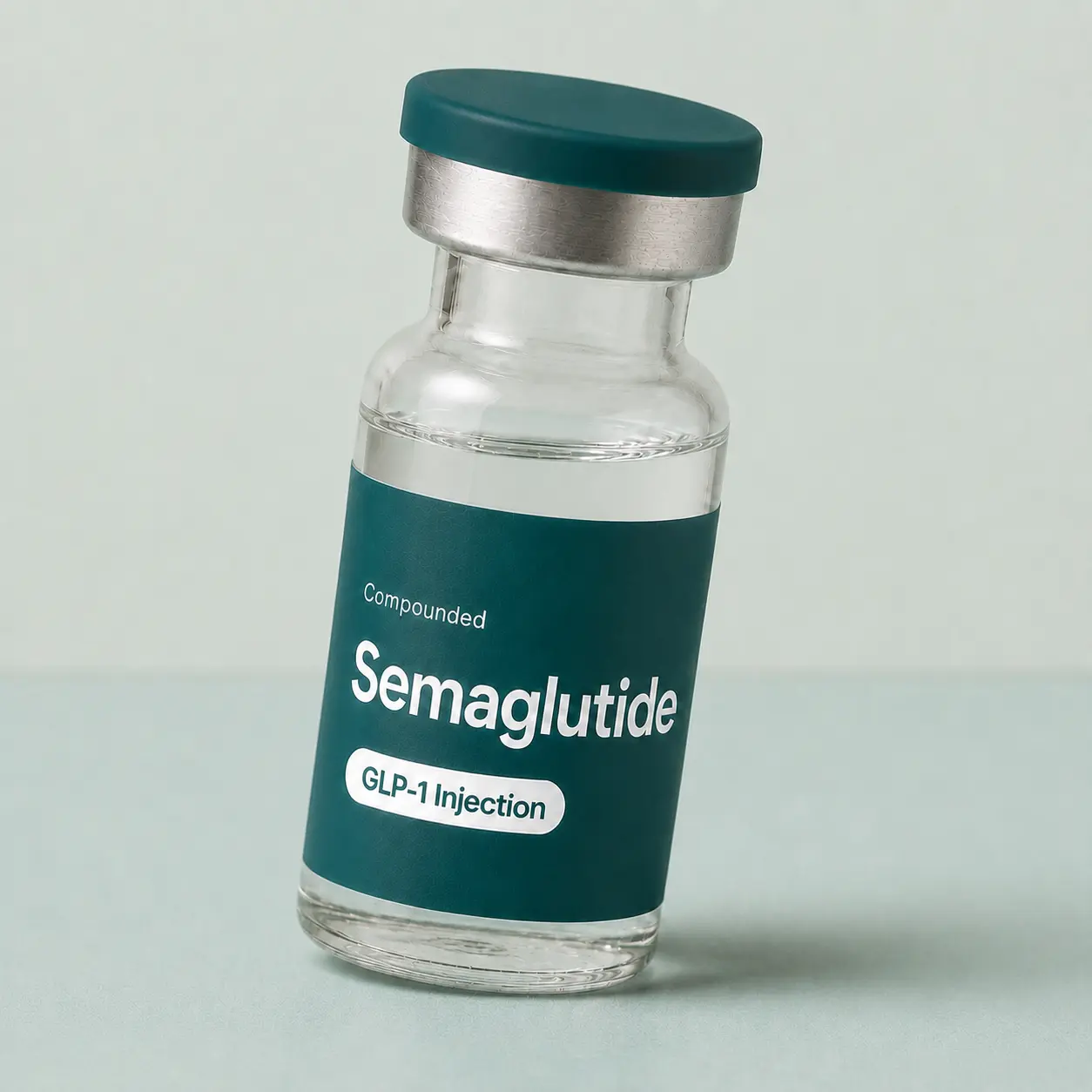
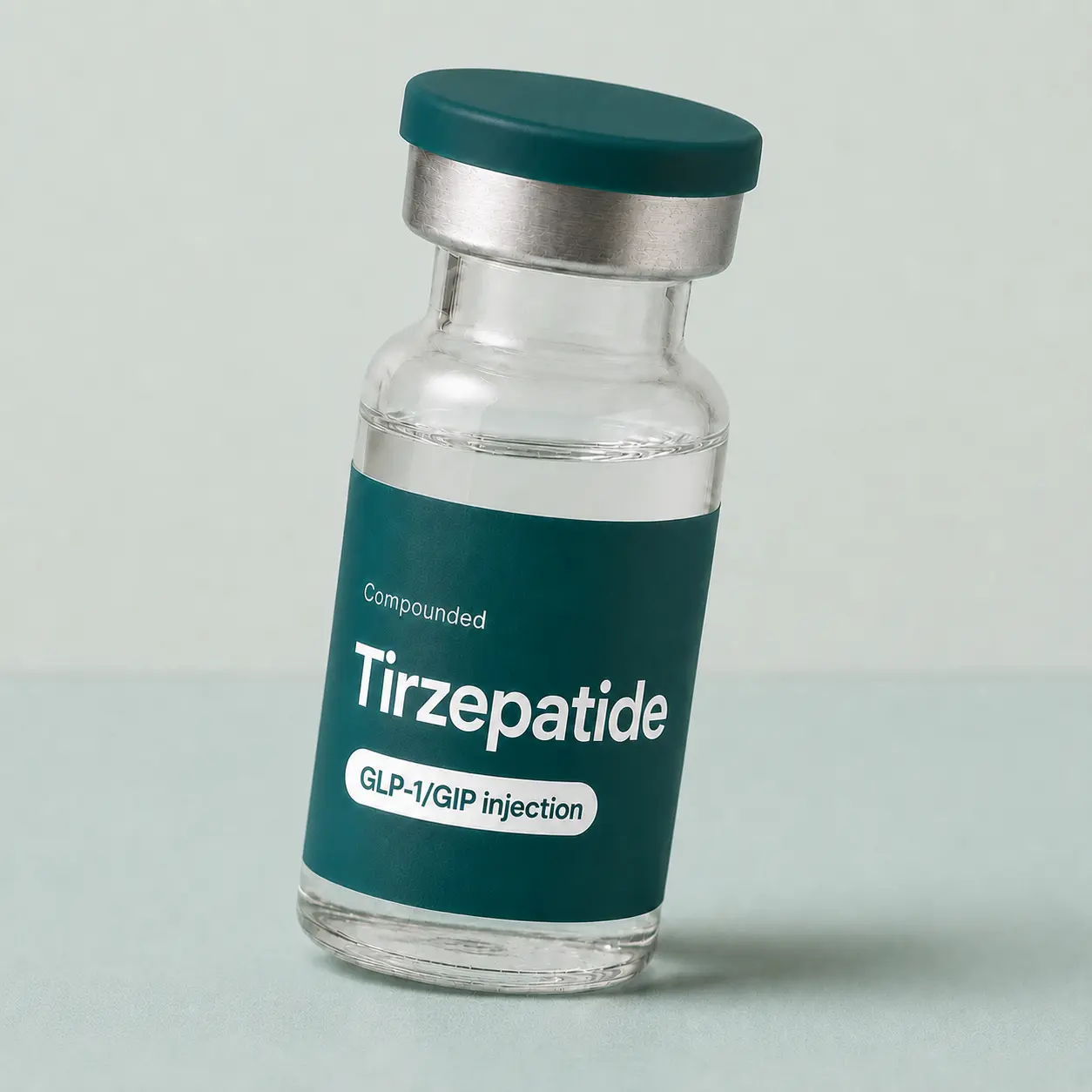
GLP-1 receptor agonists work that lever from two sides. They slow gastric emptying and act on appetite circuits in the hypothalamus and hindbrain, so you eat less; and they improve glucose-dependent insulin secretion. Tirzepatide adds GIP receptor agonism on top. The weight loss that follows cuts insulin resistance further. Same lever, pushed twice.
The weight-loss numbers — and whose numbers they are
These are the hard data. In STEP 1 (Wilding et al., NEJM 2021; 1,961 adults with obesity, no diabetes), semaglutide 2.4 mg weekly produced −14.9% mean body weight at 68 weeks versus −2.4% on placebo. In SURMOUNT-1 (Jastreboff et al., NEJM 2022; 2,539 participants), tirzepatide reached −15.0%, −19.5%, and −20.9% at 5, 10, and 15 mg versus −3.1% placebo at 72 weeks.
Read the fine print: those cohorts were selected for obesity, not PCOS. The magnitudes transfer to PCOS by mechanism — same drug, same insulin biology — not because a trial of this size has been run in PCOS. Treat the numbers as the ceiling of what the drug does to weight, and expect the metabolic benefit to follow the weight down.
One more hard endpoint is worth naming, because PCOS carries elevated long-term cardiovascular risk: in SELECT (Lincoff et al., NEJM 2023; 17,604 adults with overweight/obesity and established cardiovascular disease, no diabetes), semaglutide 2.4 mg cut major adverse cardiovascular events by 20% relative (HR 0.80). Again — an established-CVD population, not PCOS. It tells you the drug class does more than move the scale.
What PCOS benefit to actually expect
Here the evidence thins out, so the hedge grows. Mechanistically, as insulin and weight fall, cycles tend to regularize and androgenic symptoms tend to ease — but we won’t attach a percentage or a timeline to that, because there is no PCOS-endpoint trial on the sheet to anchor it.
One thing is not a hedge: fertility can return before your cycle looks normal. If you are not trying to conceive, use active contraception when starting treatment. If you are trying to conceive, GLP-1s must be stopped beforehand — talk to your clinician about timing.
If you stop, it comes back
PCOS is chronic, so this matters more than usual. In STEP 4 (Rubino et al., JAMA 2021), people who stopped semaglutide at week 20 regained most of the weight they had lost, while those who continued kept losing. SURMOUNT-4 (Aronne et al., JAMA 2024) showed the same shape: after 36 weeks on tirzepatide, switching to placebo brought roughly 14% weight regain over the next year, versus about 5.5% further loss on continued drug. The result is maintained by staying on the medication, not by finishing a course. Plan for maintenance, not a sprint.
Protect muscle while you lose fat
A meaningful fraction of the weight lost on GLP-1s is lean mass — DXA substudies of these trials show it. The standard countermeasure is resistance training plus adequate protein; clinicians commonly target ~1.2–1.6 g/kg/day. What we do not yet have is good long-term data on the functional consequences of that lean-mass loss — so this is a live caveat, not a solved problem.
How we prescribe it
Titration is slow on purpose. Semaglutide starts at 0.25 mg weekly and steps up roughly every 4 weeks (0.25 → 0.5 → 1.0 → 1.7 → 2.4 mg), slower if side effects bite. Nausea is the most common one, and it clusters during dose escalation — that is the delayed gastric emptying at work, and it fades as titration slows.
Our default sequence:
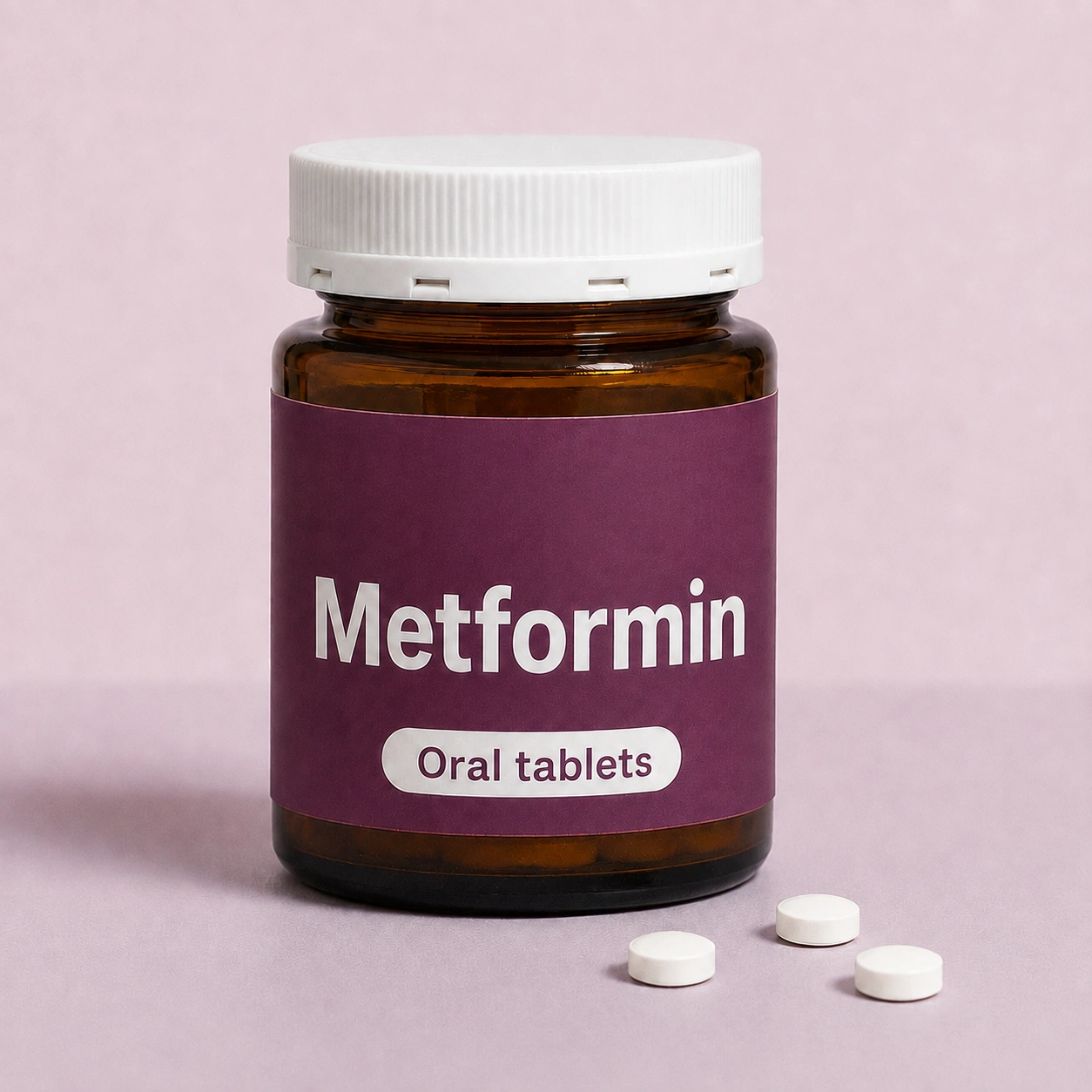
- First-line: metformin at 500–1,500 mg for the insulin resistance, with spironolactone at 50–100 mg added separately where androgen excess is the louder problem. They are two prescriptions, not one combined product.
- Add a GLP-1 at BMI 27+: semaglutide or tirzepatide, layered on top.
- Inositol as an adjunct — the evidence base is small; treat it as optional, not core.
Bloodwork first is non-negotiable: glucose, insulin, HbA1c, lipids, free testosterone, DHEA-S, SHBG. At Zappy this is cash-pay, no insurance, and FSA/HSA-eligible; the compounded semaglutide and tirzepatide are prepared by LegitScript-verified 503A US pharmacies under physician oversight (compounded preparations are not FDA-approved and are not FDA-approved generics or equivalents of the branded drugs), and a US-licensed clinician reviews every case and adjusts titration. Start with the intake.
The open question
What hasn’t been run is a large, PCOS-endpoint trial — cycle regularity, ovulation, androgen levels, live births — powered the way STEP and SURMOUNT were powered for weight. Until it is, the PCOS benefit rides on strong mechanism and strong weight data rather than on direct proof. That is the trial we’re watching for.