The short answer
Most GLP-1 fatigue is an intake problem, not drug toxicity. When appetite falls sharply during dose escalation, most people undereat protein, calories, and salt before they notice — and low energy follows. Fix the intake and it usually lifts within a week or two. NAD+ is reasonable to try, but only after the cheaper, better-evidenced moves — and it has no trial data for this specific problem.
Why you feel worst during titration
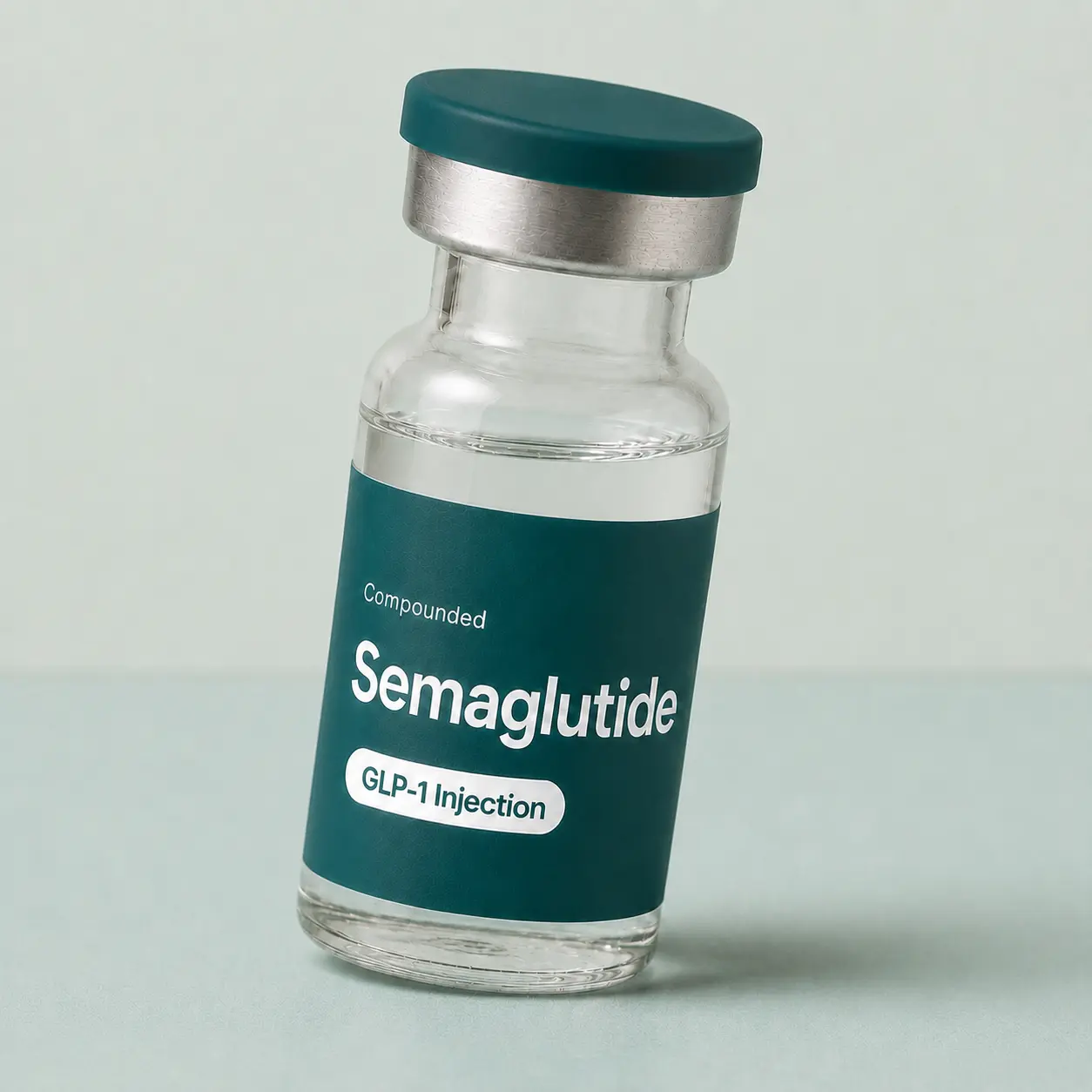
Semaglutide slows gastric emptying and acts on hypothalamic and hindbrain appetite circuits — settled pharmacology. Nausea follows directly from the delayed emptying, which is why in STEP 1 (Wilding et al., NEJM 2021; n=1,961) it was the most common side effect and clustered during dose escalation, then faded once the dose stabilized. Fatigue tends to track the same curve for the same reason: the weeks you feel most suppressed are the weeks you eat least. That link between appetite suppression and low energy is clinical inference, not a trial endpoint — no study has measured GLP-1 fatigue directly.
Standard titration steps roughly every four weeks: 0.25 → 0.5 → 1.0 → 1.7 → 2.4 mg. If fatigue is stacking up, the fix is usually to hold or slow the next step, not to stop. Stopping has a cost — in STEP 4 (Rubino et al., JAMA 2021), discontinuing semaglutide at week 20 reversed most of the weight loss, and SURMOUNT-4 (Aronne et al., JAMA 2024) showed roughly 14% regain after switching off tirzepatide. Slowing down beats bailing out.
Fix intake first, in this order
- Protein. A meaningful fraction of GLP-1 weight loss is lean mass — DXA substudies confirm it — and the standard countermeasure is resistance training plus roughly 1.2–1.6 g/kg/day of protein. Undereating protein is a common and correctable driver.
- Calories. Appetite suppression can push intake well below what your day actually costs. Eat on a schedule, not on hunger.
- Salt and fluid. Lower food volume plus reduced carbohydrate empties sodium and water stores fast. This is basic physiology, not a trial finding, but it is cheap to correct — aim for deliberate fluid and a little extra salt on dosing days.
If you have honestly done all three for two weeks and still feel wrecked, that is a workup, not a supplement.
When the drug is not the culprit
One caveat before the self-fixes: fatigue that comes with dizziness on standing, persistent vomiting, or an inability to keep fluids down is not a nutrition problem to tinker with. That is dehydration or an over-aggressive dose, and it warrants a same-week call to your clinician to adjust titration.
The boring labs beat the trendy injection
Before NAD+, rule out deficiencies that have real fixes:
- B12 — a cheap injection corrects a true deficiency faster than any peptide.
- Ferritin and iron — especially if you menstruate; low iron mimics drug fatigue.
- Magnesium — low magnesium causes muscular fatigue that looks like a side effect.
- Thyroid (TSH).
These are standard clinical practice, not GLP-1-specific trial findings. They are cheap, they are common, and each points to a treatment.
Where NAD+ actually sits
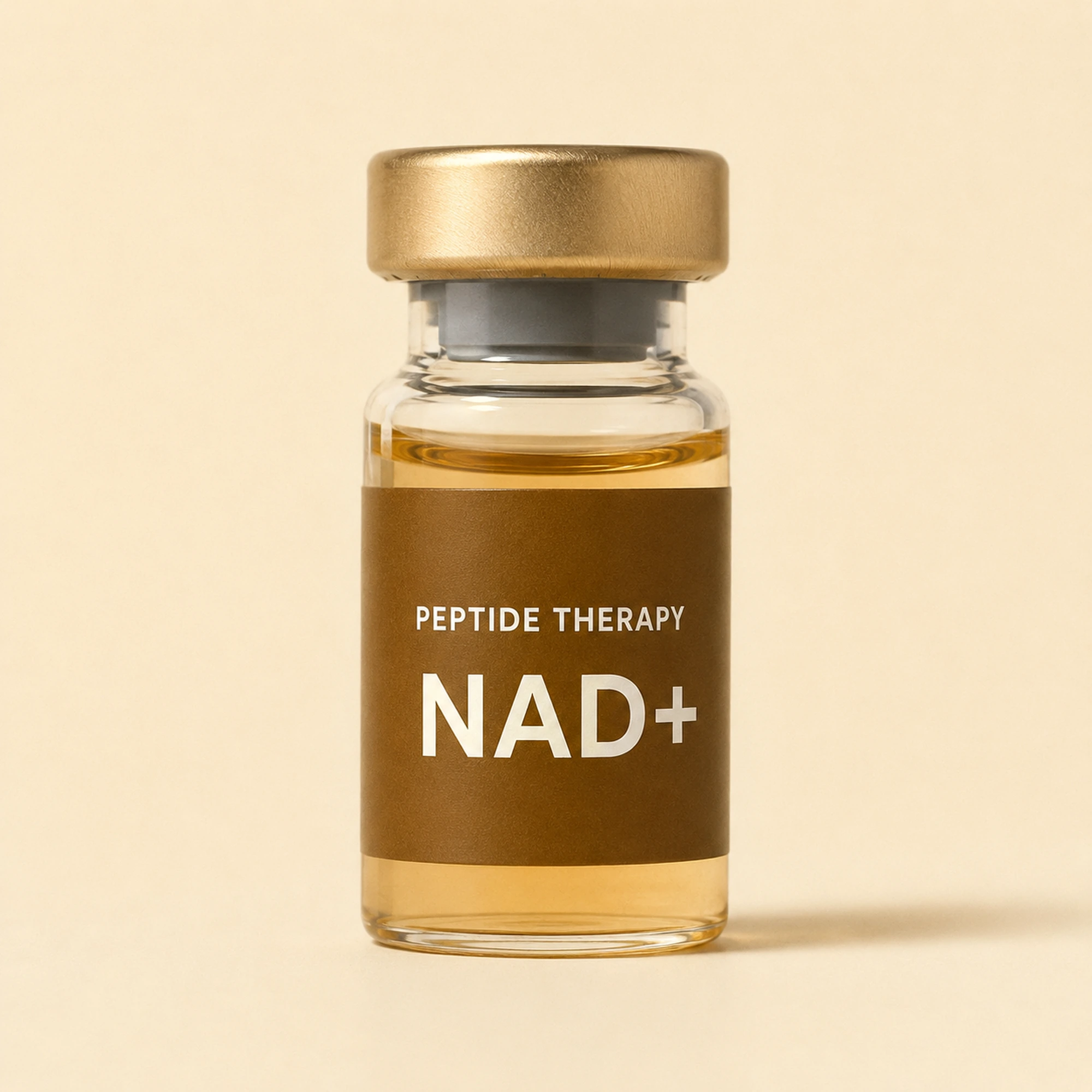
We sell NAD+. There is still no randomized trial of it for GLP-1-associated fatigue, and we are telling you it is the last box to check, not the first. It is reasonable to try when intake is dialed in, labs are clean, and you still feel mentally slow and under-recovered — an unproven benefit, priced as an experiment. Give it two weeks; if nothing shifts, stop.
What would actually settle this
No trial has isolated GLP-1 fatigue as an endpoint or tested whether it is driven by lean-mass loss, energy deficit, or a direct central effect. Until one does, treat fatigue as an intake-and-labs problem first — and reserve NAD+ for the honest last resort.