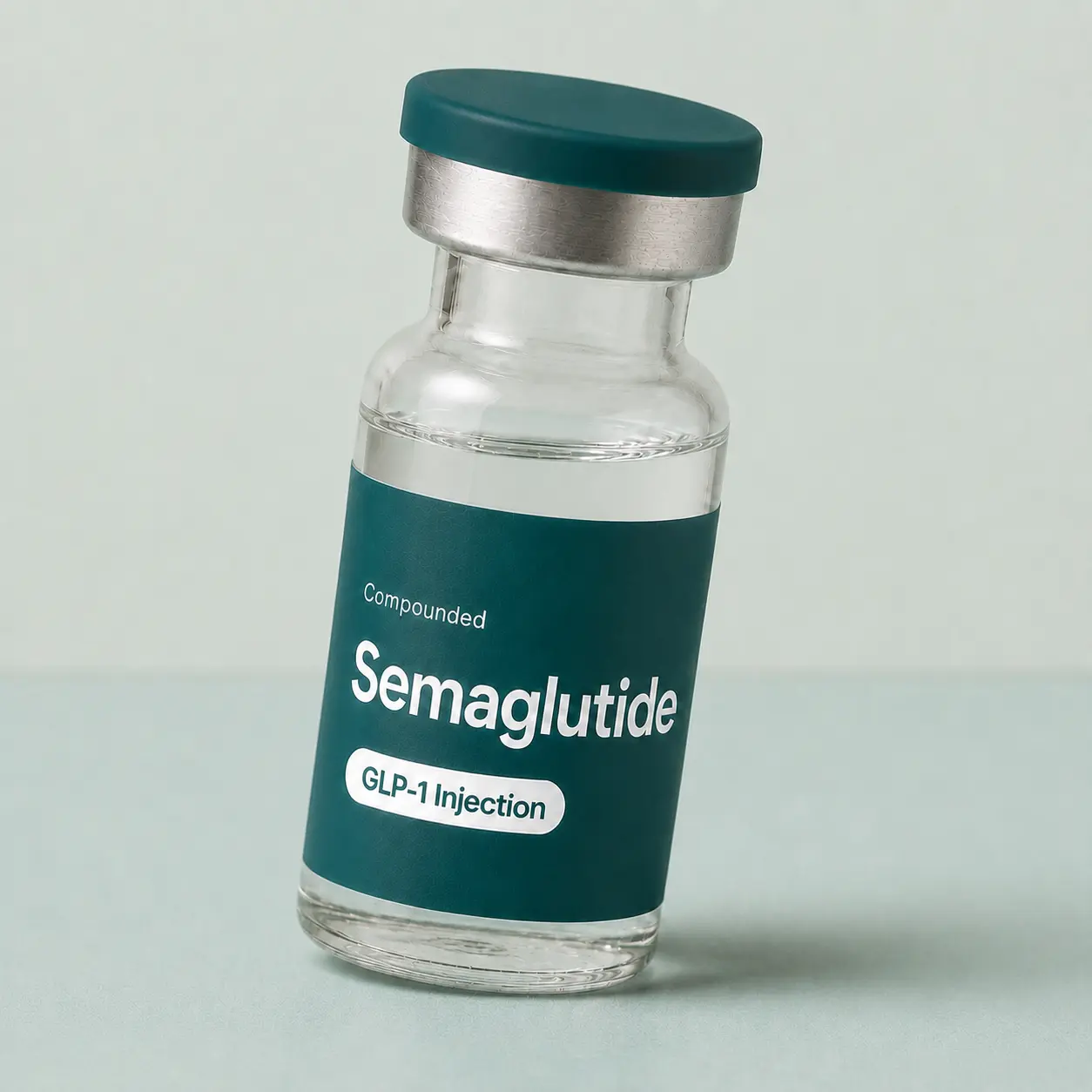
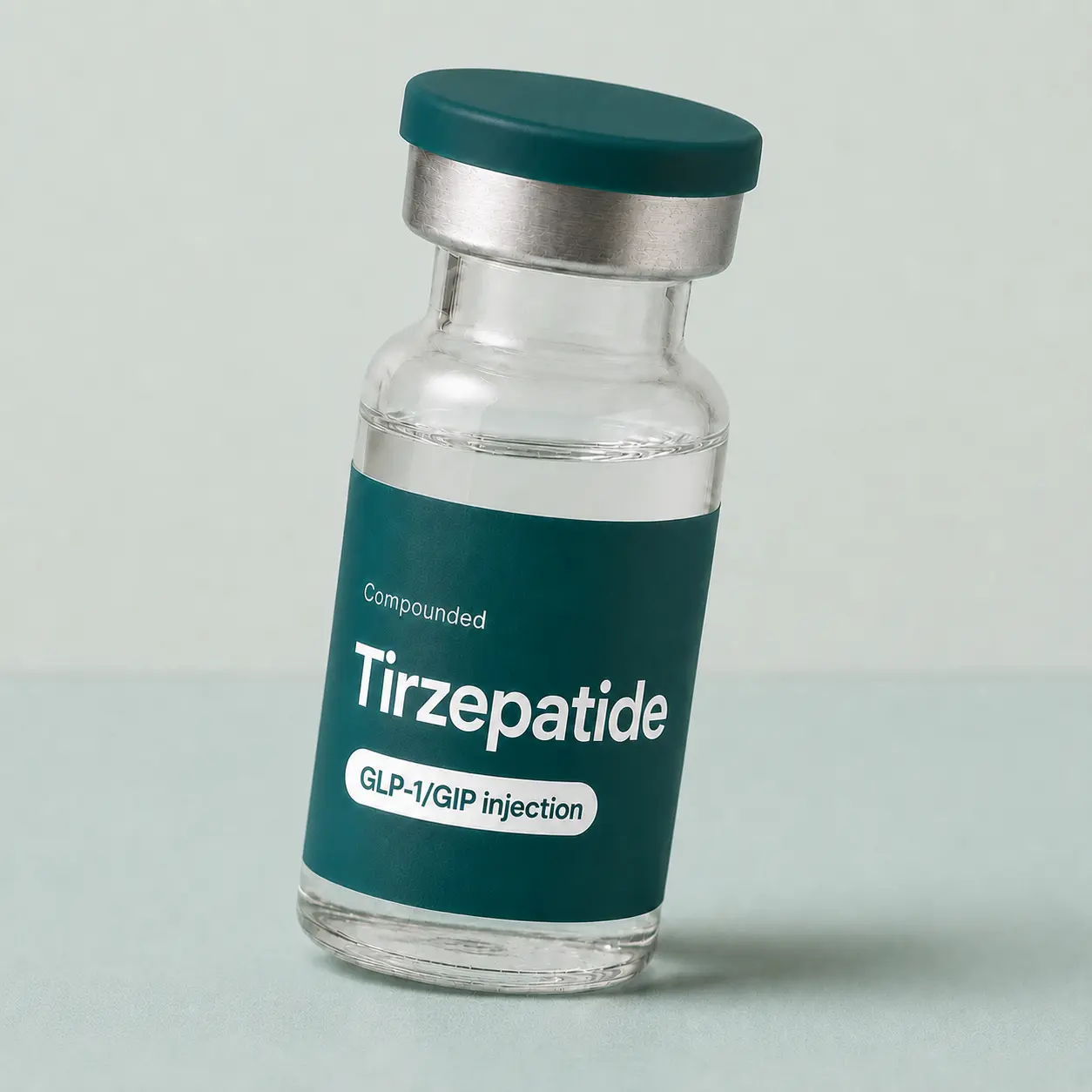
Yes. Prescription GLP-1s — semaglutide and tirzepatide, branded or compounded — are qualified medical expenses when a licensed clinician prescribes them to treat a diagnosed condition, and you can pay with an FSA or HSA card at checkout.
Most commercial plans exclude weight-loss GLP-1s, and Medicare Part D is barred by statute from covering weight-loss drugs at all — hence the interest in paying pre-tax. The full coverage picture is its own article, the GLP-1 cost guide. One thing first: if your plan does cover Wegovy or Zepbound, use it. Insurance that pays beats any tax discount. This article is for everyone whose plan says no.
Why the prescription does all the work
IRS Publication 502 draws the line. Weight-loss spending is a qualified medical expense when it treats a specific disease diagnosed by a physician — obesity, hypertension, and heart disease are the IRS’s own examples. Spending for general health or appearance is not. A prescription tied to a documented diagnosis moves a GLP-1 from the second category into the first.
The same line covers compounded semaglutide and tirzepatide: tax eligibility follows prescription status, not brand status. A compounded preparation from a licensed 503A pharmacy is still a prescribed drug, even though compounded preparations are not themselves FDA-approved products.
What paying pre-tax is worth
FSA contributions skip federal income tax and the 7.65% payroll tax. At a 22% marginal rate that adds up to a 29.65% discount: compounded semaglutide costs roughly 30% less in take-home pay than its sticker price suggests. Same pharmacy, same prescription — the discount is your own tax rate, before any state-tax savings.
The annual math decides which account fits. Multiply twelve months at current pricing and set it against your plan year’s health-FSA contribution cap: a year of compounded semaglutide generally fits inside the cap, while a year of compounded tirzepatide generally exceeds it. That is where an HSA’s higher limits and indefinite rollover come in.
The paperwork that matters
Keep the itemized receipt: provider, date, medication, amount. For a prescription drug, that is usually all the substantiation an FSA administrator wants. HSAs are self-substantiated: nobody checks at the register, but the burden of proof is yours if the IRS ever asks. File the receipt anyway.
Some administrators want more for anything labeled weight loss. The fix is a Letter of Medical Necessity from the prescribing clinician stating the diagnosis and that the medication treats it. Ask whether yours requires one before you file, not after a denial.
One HSA rule most people miss: there is no deadline on reimbursing yourself (IRS Notice 2004-50). Pay out of pocket today, keep the receipt, and you can withdraw that amount tax-free years later, as long as the HSA existed when you paid.
At checkout
Zappy is cash-pay and takes FSA/HSA cards directly; no insurance involved. FSA debit cards only clear at merchants their network codes as healthcare, and administrators vary in how strict they are with telehealth. If the card declines, pay with a regular card and submit the receipt for reimbursement. Same money, one extra step.
Timing differs by account. Most FSA balances expire at plan year-end with only a small carryover, so a Q4 start is worth checking against your remaining balance and filing deadline. HSA funds roll over indefinitely.
What your account won’t pay for
The gym membership, the protein powder, the meal-replacement shakes, and any non-prescription “GLP-1 support” supplement: none of it qualifies. The IRS treats these as general-health spending even when they genuinely support medical weight loss. The prescription, the clinical visits, and related labs qualify; the lifestyle infrastructure around them does not.
Before you count on it
Two checks, five minutes. First, log into your FSA or HSA portal and search its published eligibility list for weight-loss medication; your administrator’s list is the one that counts, not a generic one. Second, take the qualification quiz — a clinician reviews every case within 24 hours, and the prescription that comes out of that review is the document your tax claim rests on.