A GLP-1 is a recurring cost, not a purchase: in the withdrawal trials — STEP 4 for semaglutide, SURMOUNT-4 for tirzepatide — people who stopped regained a substantial share of the lost weight over the following year. So the honest price question is never the month; it’s the year, and what the year costs depends far more on which route you take than on which molecule you take.
There are three routes, and the spread between them has almost nothing to do with pharmacology. It comes from the label on the vial, a 2003 statute, and whether your employer opted into coverage. This page is the map; the linked guides go deeper. Every current figure lives on the treatment pages, which is where to check before you do any arithmetic.
The short version:
- Three routes: a compounded preparation, a branded pen on the manufacturer’s direct-pay program, or a branded pen your insurance covers.
- Most commercial plans exclude weight-loss GLP-1s, and Medicare Part D is barred by statute from covering them for weight loss.
- Both manufacturers now run their own cash-pay programs, which is the number that matters if you’re uninsured — not the retail counter price.
- FSA/HSA dollars work for cash-pay GLP-1 care — an effective discount of roughly your marginal tax rate.
- Budget a year, minimum. The withdrawal trials say this is maintenance medicine, and maintenance is a monthly bill.
The sticker prices
Four products, two molecules between them:
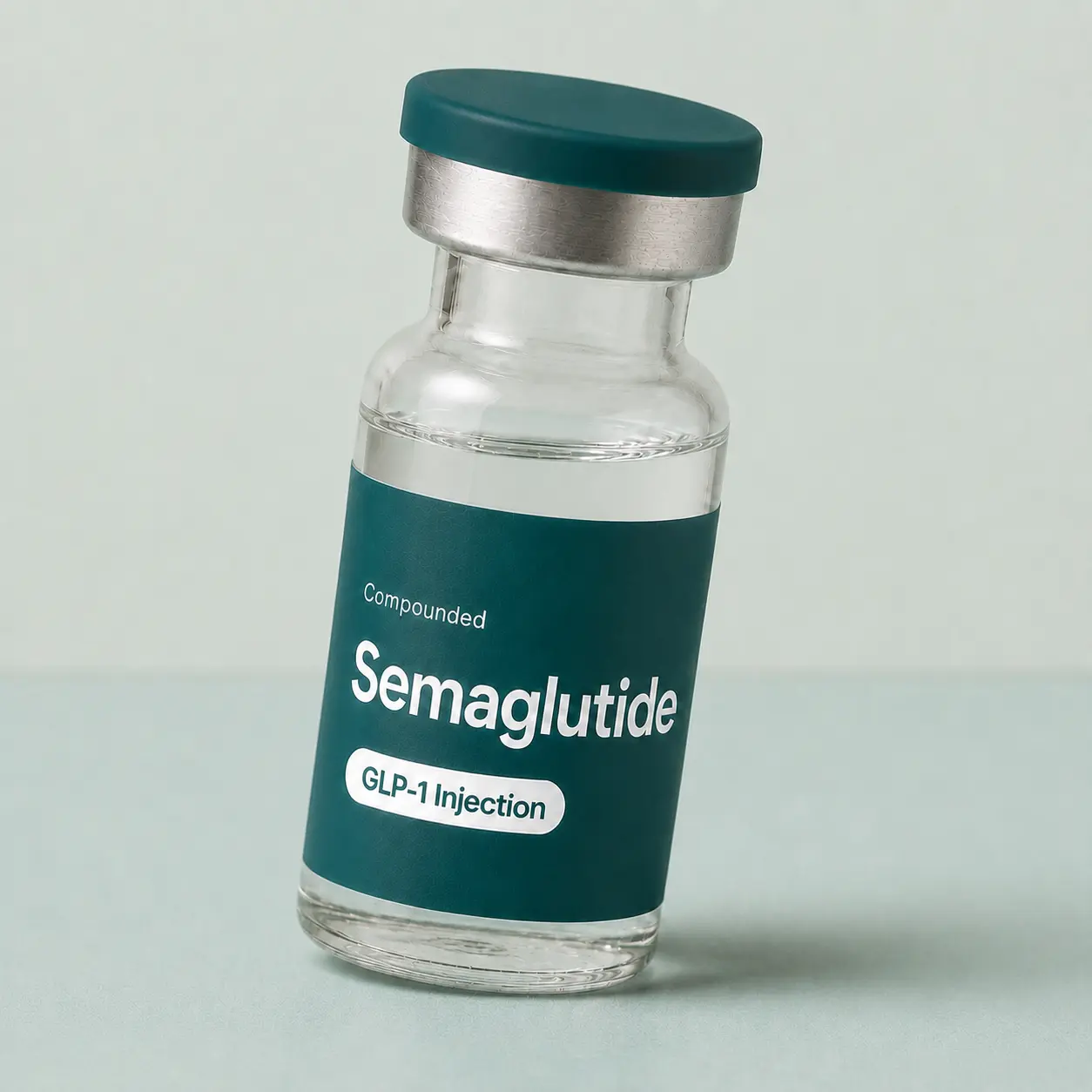
- Compounded semaglutide — semaglutide prepared by a 503A pharmacy; not FDA-approved. A flat monthly rate at Zappy, on the semaglutide page.
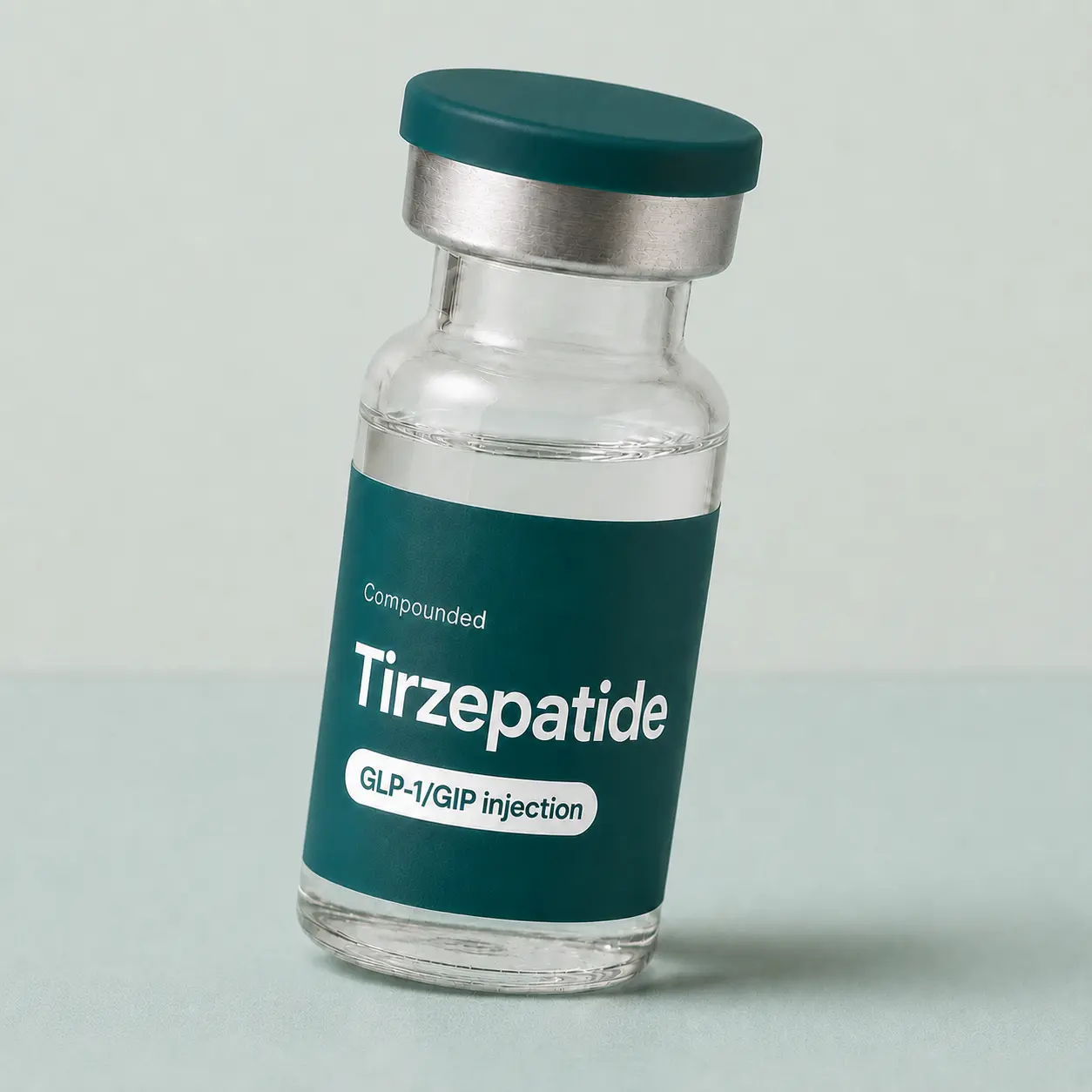
- Compounded tirzepatide — tirzepatide prepared by a 503A pharmacy; not FDA-approved. Its own flat rate, on the tirzepatide page.
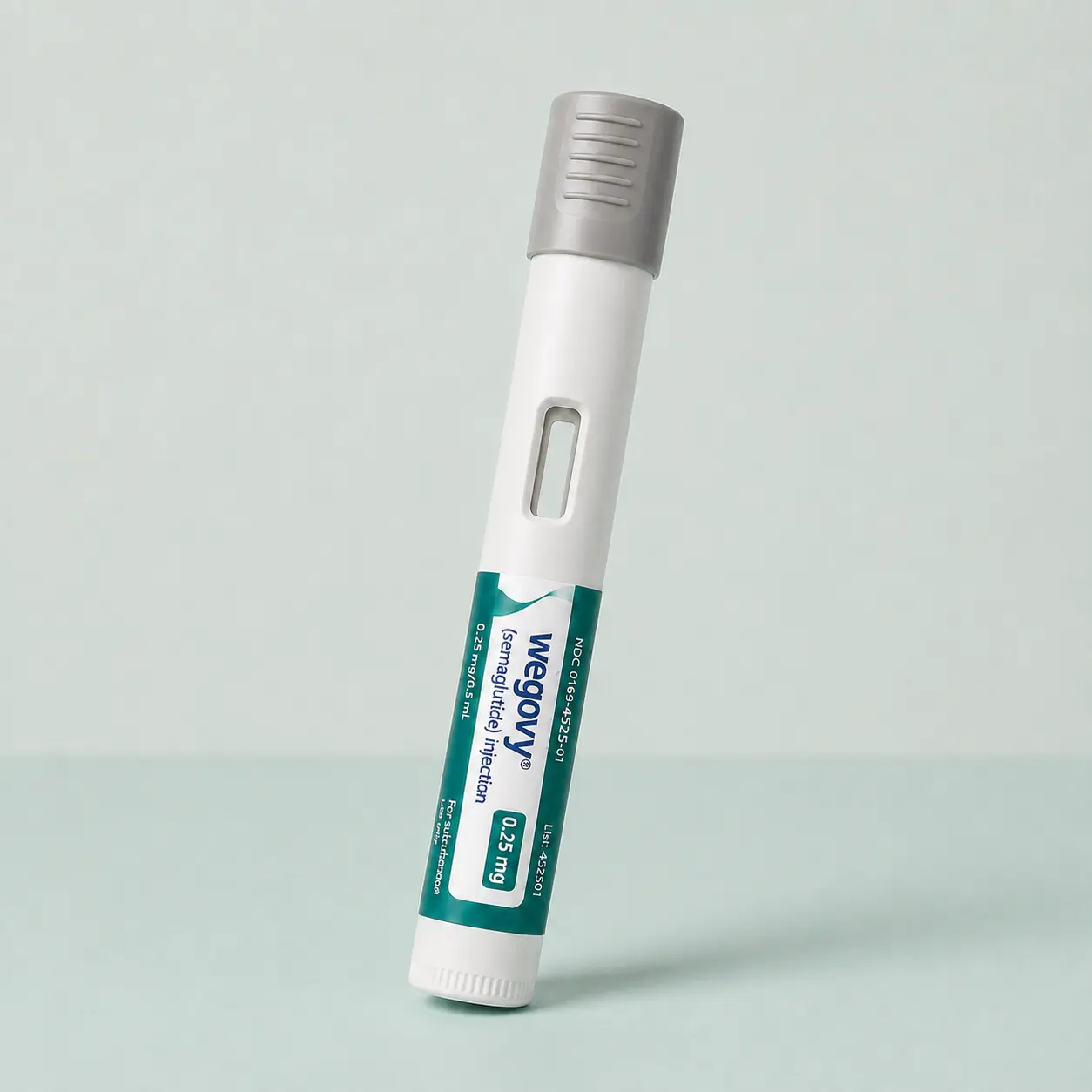
- Wegovy — Novo Nordisk’s FDA-approved semaglutide pen. Novo bills the medication directly through its own cash-pay program, NovoCare® Pharmacy; the Wegovy page carries the current rate.
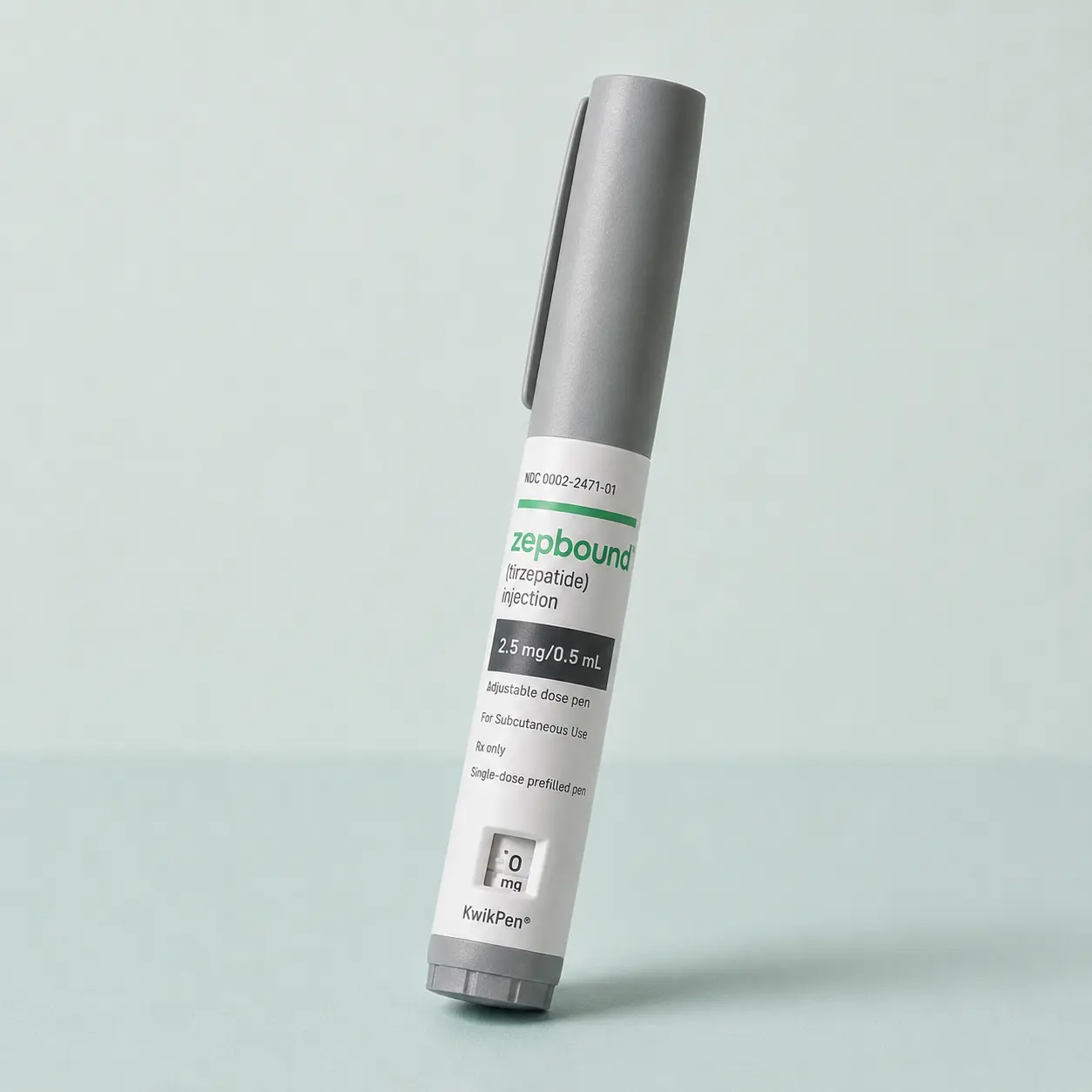
- Zepbound — Eli Lilly’s FDA-approved tirzepatide pen. Lilly bills the medication directly through LillyDirect; the Zepbound page carries the current rate.
Watch the fill math on branded pens: 28-day supplies mean 13 fills a year, not 12 — a thirteenth month on the annual bill.
If you’ve googled “how much does semaglutide cost” and gotten answers that don’t agree, it’s because three different numbers are in circulation. List price is the manufacturer’s official number — what an uninsured person is quoted at a retail pharmacy counter. Copay is what you pay if your insurance covers the drug, which for weight loss it usually doesn’t. Cash price is what manufacturer direct-pay programs, telehealth programs, and compounding pharmacies charge directly, no insurance involved. All three numbers are real; they answer different questions, and quoting one where another belongs is how most of the confusion online gets made.
The number that has moved most is the cash one. Novo Nordisk and Eli Lilly both launched direct-pay channels for people without coverage — NovoCare® Pharmacy and LillyDirect — priced well below the retail counter figure that still circulates in older articles. If you are comparing routes, compare against those, not against a list price almost nobody pays. What actually changes between the vial and the pen gets its own comparison: compounded vs branded.
What changes between compounded and branded
The two are priced on different economics, not on different generosity. A branded pen carries FDA approval of the finished product, the manufacturer’s supply chain, and the pen device itself — that is what the price buys, and it is worth having. A compounded preparation is made to your prescription by a US 503A compounding pharmacy, is not FDA-approved, and is priced on pharmacy economics.
“503A” is worth decoding once: it’s the section of federal law covering state-licensed pharmacies that prepare medications for a specific patient from a specific prescription — the same legal category as a pharmacy compounding a pediatric liquid from an adult tablet. Zappy works with LegitScript-verified 503A pharmacies, which adds independent vetting of licensure and sourcing on top of state oversight.
What you give up is real: compounded preparations are not FDA-approved products. The active ingredient is semaglutide, but the finished compounded vial never went through the FDA approval pipeline the branded pen did. You also trade the fixed-dose pen for a vial and syringe — which cuts both ways, since vials allow smaller, slower titration steps than fixed-dose pens, and the product labels themselves direct a slower ramp when side effects show up.
Against our own interest: if your insurance covers a branded pen at a reasonable copay, take the branded pen. Manufacturer supply chain and FDA approval are worth having when someone else pays for them. Compounded is the rational choice for the majority whose insurance says no.
The dose-by-dose price breakdown is in what compounded semaglutide really costs.
Your insurance probably says no
Commercial coverage for weight-loss GLP-1s varies employer to employer and often excludes the class outright. The economics explain it: enough adults meet the BMI criteria that covering the class across a whole workforce is an exposure many plan sponsors decline to take on.
The pattern that confuses everyone: the same molecule is routinely covered when the diagnosis code says type 2 diabetes and denied when it says obesity — a modest copay for the diabetes prescription, a near-list quote for the weight-loss one. Same semaglutide, different code. That’s benefit design, not medicine.
Where coverage exists, it arrives with conditions — prior authorization, BMI documentation, sometimes step therapy through an older drug first.
Checking your plan takes one phone call and three specific questions: is Wegovy or Zepbound on the formulary, does the plan cover medications for weight management at all, and what does prior authorization require. The full script, what denial letters actually mean, and when appeals succeed: GLP-1 insurance coverage guide.
Medicare’s no is written into law
Medicare Part D cannot cover drugs prescribed for weight loss. Not “usually doesn’t” — cannot. The 2003 law that created Part D imported Medicaid’s exclusion list, which includes “agents when used for anorexia, weight loss, or weight gain.” No formulary decision, plan upgrade, or appeal changes that. Bills to lift the exclusion have been introduced repeatedly; none has passed.
One narrow door may exist. After SELECT (Lincoff et al., NEJM 2023; 17,604 adults with established cardiovascular disease and no diabetes) showed a 20% relative reduction in major adverse cardiovascular events, semaglutide picked up a cardiovascular indication — and some Part D plans have reportedly begun covering it for that use, because the prescription is then for cardiovascular risk reduction, not weight loss. Established heart disease, plan by plan, formulary-dependent — confirm with the specific plan. For everyone else on Medicare, weight-loss GLP-1 treatment is cash-pay by law until Congress moves.
FSA and HSA money works here
Zappy is cash-pay — no insurance involved — and FSA/HSA-eligible. That second clause is worth real money. FSA and HSA dollars go in before income tax, so paying with pre-tax money is an effective discount of roughly your marginal rate — at a combined 30% federal-plus-state rate, close to a third of the bill back. A year of compounded semaglutide generally fits inside the annual health-FSA contribution cap with room to spare; check the current cap for your plan year.
An HSA requires a high-deductible health plan, and its balance rolls over year to year. FSA money mostly doesn’t — if you’re planning a January start, size the election the previous fall. Some plan administrators ask for documentation before approving weight-loss care, occasionally a letter of medical necessity from the prescribing clinician. What counts as eligible, what to submit, and how that letter works: paying for GLP-1s with FSA/HSA funds.
What a year actually runs
Multiply honestly:
- Compounded semaglutide or tirzepatide: the monthly rate on the treatment page × 12.
- Wegovy or Zepbound on a manufacturer direct-pay program: the program’s monthly rate × 13. Branded pens ship as 28-day supplies, so a year is thirteen fills, not twelve — a whole extra month people forget to budget.
Three checks before you commit to a number:
- Read the renewal price, not the intro price. Some telehealth offers advertise a first-month rate that steps up as your dose titrates. Ask what month six costs at your likely maintenance dose.
- Ask what’s included. Clinician visits, dose adjustments, shipping — bundled or billed separately? The quoted number should be the whole number.
- Budget the year, not the experiment. In SURMOUNT-4, people who stopped tirzepatide after the loss phase regained about 14% of body weight over the following year, while those who continued lost a further 5.5%. Price it like a subscription you intend to keep.
If the annual number works, the next step is eligibility, not more math — and eligibility is a real screen, not a formality. GLP-1s carry a boxed warning for thyroid C-cell tumors seen in rodent studies (human relevance unknown) and are contraindicated with a personal or family history of medullary thyroid carcinoma or MEN 2; a history of pancreatitis warrants caution, and they are not for use in pregnancy. That screen is part of the intake: see if you qualify — a clinician reviews every intake within 24 hours.
The trial nobody has run
Every number above assumes the full dose, indefinitely — because that is all the evidence covers. STEP 4 and SURMOUNT-4 tested continuing versus stopping cold. No published trial has tested the thing that would actually change this math: a stepped-down maintenance phase — half dose after the loss phase, or an injection every ten days instead of seven. We don’t know whether those regimens hold the weight off. The “microdosing” programs marketed as if we did are selling ahead of the evidence.
Until a maintenance-dose trial reads out, the honest budget is the full monthly price for as long as you want the result. When that trial exists, we’ll rewrite this page.