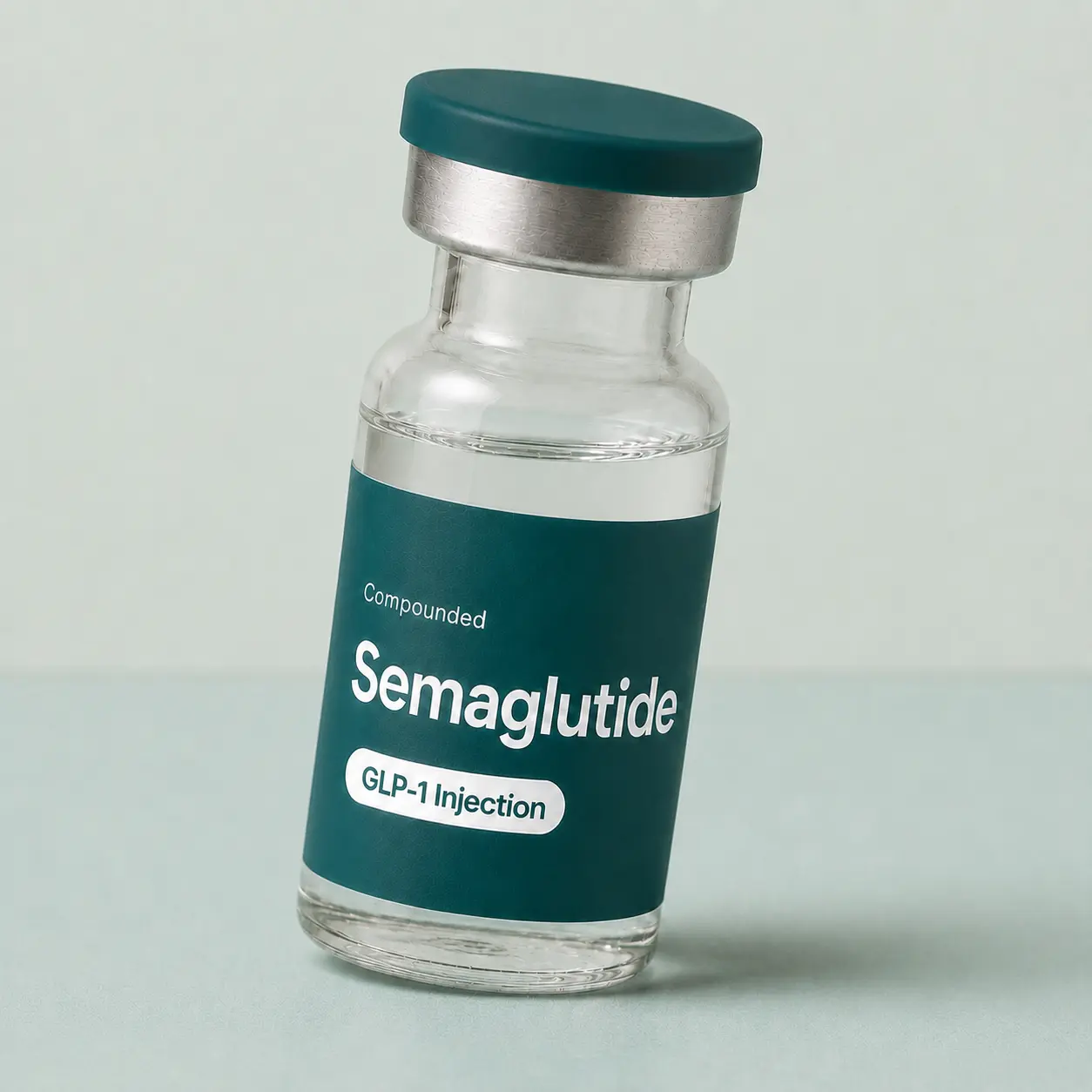
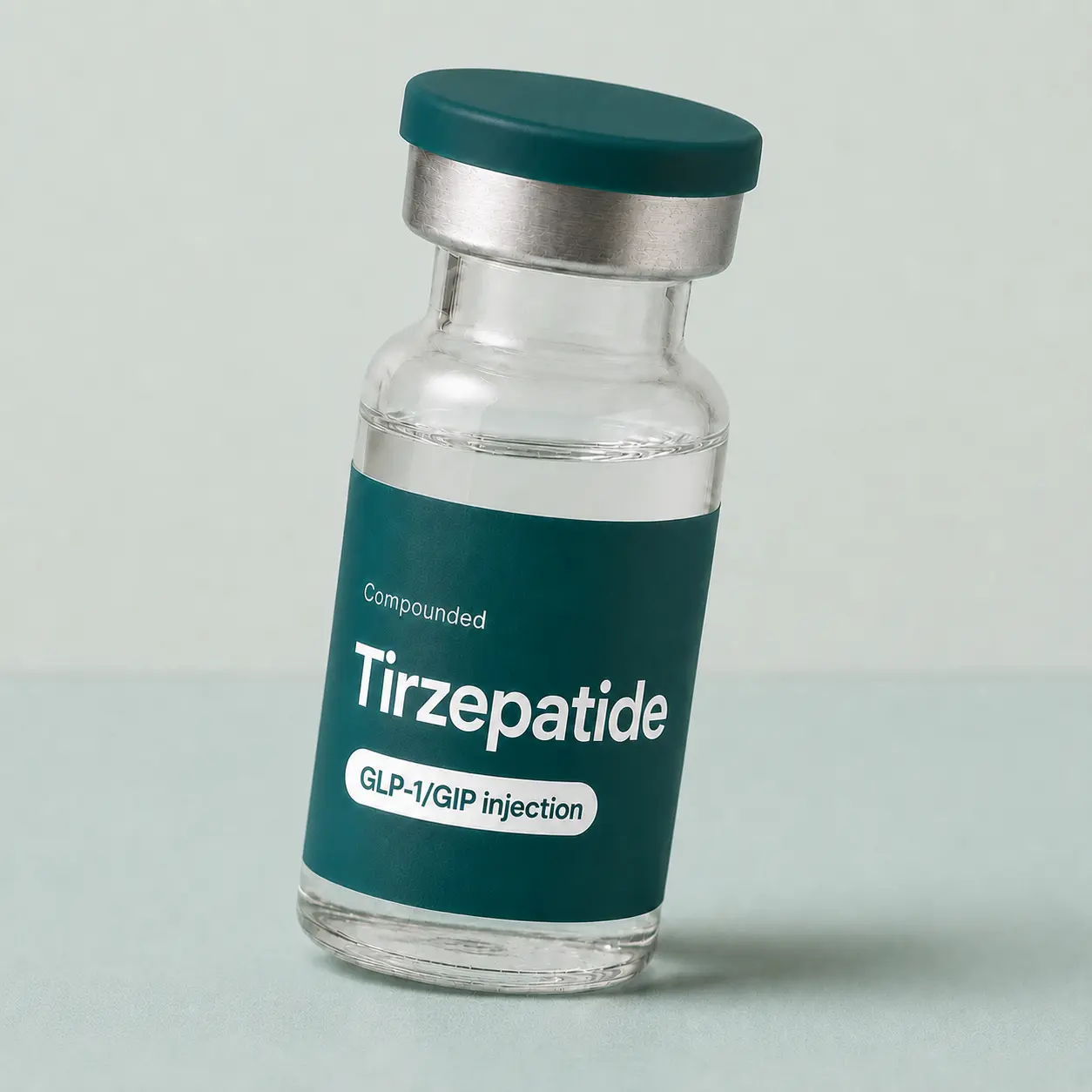
Yes. Gallstones and gallbladder inflammation are recognized risks on semaglutide and tirzepatide, and both labels list them. But most of that risk traces to something older than any GLP-1: losing weight fast is one of the best-established causes of gallstones we know of, and these drugs are very good at making you lose weight fast.
So the useful question isn’t whether GLP-1s touch the gallbladder — they do — but how much is the medication and how much is the weight coming off.
Fast weight loss is a classic recipe for gallstones
This link predates GLP-1s by decades. Crash diets, very-low-calorie regimens, and bariatric surgery all raise gallstone rates, for the same mechanical reasons.
Two things happen when weight comes off quickly. As fat stores mobilize, your liver dumps more cholesterol into bile — and bile oversaturated with cholesterol is bile that forms crystals. At the same time, you’re eating less, and eating less fat. The gallbladder squeezes in response to fat arriving in the small intestine; give it less fat, and it contracts less often, so bile that should be flushed out sits and stagnates. Supersaturated bile plus a sluggish gallbladder is exactly how cholesterol stones form.
GLP-1s pull both levers hard. In STEP 1, semaglutide 2.4 mg produced −14.9% mean body weight at 68 weeks; in SURMOUNT-1, tirzepatide reached −20.9% at the top dose. That’s the magnitude and speed that has always carried gallstone risk — now delivered by a weekly injection instead of a starvation diet.
What the labels actually report
The semaglutide and tirzepatide labels both list cholelithiasis (gallstones) and cholecystitis (gallbladder inflammation) as adverse reactions, and flag acute gallbladder disease as something to watch for. In the trials these events were uncommon, but they ran more often than on placebo. Pooled analyses of the randomized data have tied GLP-1 receptor agonists to more gallbladder and biliary disease overall, with the signal concentrated at the higher, weight-loss doses.
For the fuller side-effect picture (nausea, reflux, constipation), see our GLP-1 side effects guide. This piece stays on the gallbladder.
The drug, or the weight loss? We don’t fully know.
Here’s the honest part. Higher doses cause more weight loss, and more weight loss causes more gallstones. So a dose-related gallbladder signal is what you’d expect even if the molecule never touched the gallbladder directly. Pooled trial and observational data can’t cleanly separate the two. There’s a plausible direct effect on top of that: GLP-1 signaling may slow gallbladder emptying on its own. But “plausible” is as far as the evidence goes. How much of the risk is the drug versus the pounds is genuinely unresolved.
What that uncertainty doesn’t change: the risk is real, it’s manageable, and the symptoms to watch for are the same either way.
Symptoms that mean same-day care
Most gallstones never cause trouble. The ones that do announce themselves, and some are urgent.
Call the same day for steady, severe pain in the upper-right abdomen or just under the breastbone (classically after a fatty meal) that lasts more than an hour or radiates to your right shoulder or back.
Treat these as go-now, not wait-and-see:
- Fever or chills with the pain
- Yellowing of the skin or eyes (jaundice)
- Dark urine, or pale, clay-colored stools
- Relentless vomiting
- Severe pain high in the abdomen that bores straight through to your back — the classic presentation of pancreatitis, which is the warning the labels actually carry
Pain plus fever, or pain plus jaundice, can mean an infected or blocked bile duct. That’s a medical emergency.
Severe pain under your right ribs that lasts more than an hour is an emergency room visit, not a message to us. Not because it is certainly your gallbladder — but because gallstone pain, an inflamed gallbladder, and pancreatitis are indistinguishable over text, and two of the three need imaging and bloodwork in the next few hours. Add fever, vomiting you cannot stop, or yellowing of the eyes and skin, and that is true with more urgency, not less.
Anything milder — an ache after fatty meals, discomfort that comes and goes over days — message us. That is worth reviewing against your dose and your history, and it is not an ER problem.
If you have had gallstones, or your gallbladder is already out
Neither is a contraindication. Both change the counseling and the threshold to stop and reassess.
Gallstones in the past, gallbladder still there. You can still be treated. What rises modestly is the chance of a gallbladder event during the treatment itself, and the reason is not some special toxicity from the old stones. Three things stack: GLP-1s slow gallbladder emptying, which promotes stasis; rapid weight loss independently makes stones; and whatever made you a stone-former — obesity, diabetes, high triglycerides, estrogen exposure — has not gone anywhere. The person at highest practical risk is the one with an intact gallbladder, a stone history, and brisk early weight loss.
Gallbladder already removed. That takes cholecystitis off the table, which is the largest single piece of the risk. It does not clear the whole board. If you formed stones once you may still form them in the duct, so new pain after meals, jaundice, or a cholestatic pattern on labs still gets a real workup rather than being written off because the gallbladder is gone. Pancreatitis is a separate concern either way.
What actually changes our prescribing is not the history in the abstract — it is whether the biliary problem is settled. Recent biliary colic, a recent episode of cholecystitis or a stone in the duct, prior gallstone pancreatitis, or unexplained abnormal liver enzymes are all reasons to sort that out before starting rather than alongside. Stones that were incidental, remote and never symptomatic matter much less.
If you are cleared to start, the practical adjustment is pace. We titrate at the usual rate and specifically avoid pushing the dose hard through rapid weight loss or GI intolerance, because that is where the biliary signal concentrates. And if pain does arrive, it does not get labelled “GLP-1 nausea” — that is what liver enzymes, bilirubin and lipase are for, with imaging chosen to match the picture.
What to do with this
Don’t let this talk you out of treatment. Do learn the warning signs. If you’ve had gallstones before, or your gallbladder removed, tell your clinician before you start. It’s a conversation, not an automatic no. And if the upper-right-abdomen pain shows up, act on it early; gallbladder disease is treatable when it’s caught fast.
If you’re weighing whether semaglutide or tirzepatide fits your history, start with the intake quiz. A clinician reviews every case, gallbladder history included, within 24 hours.