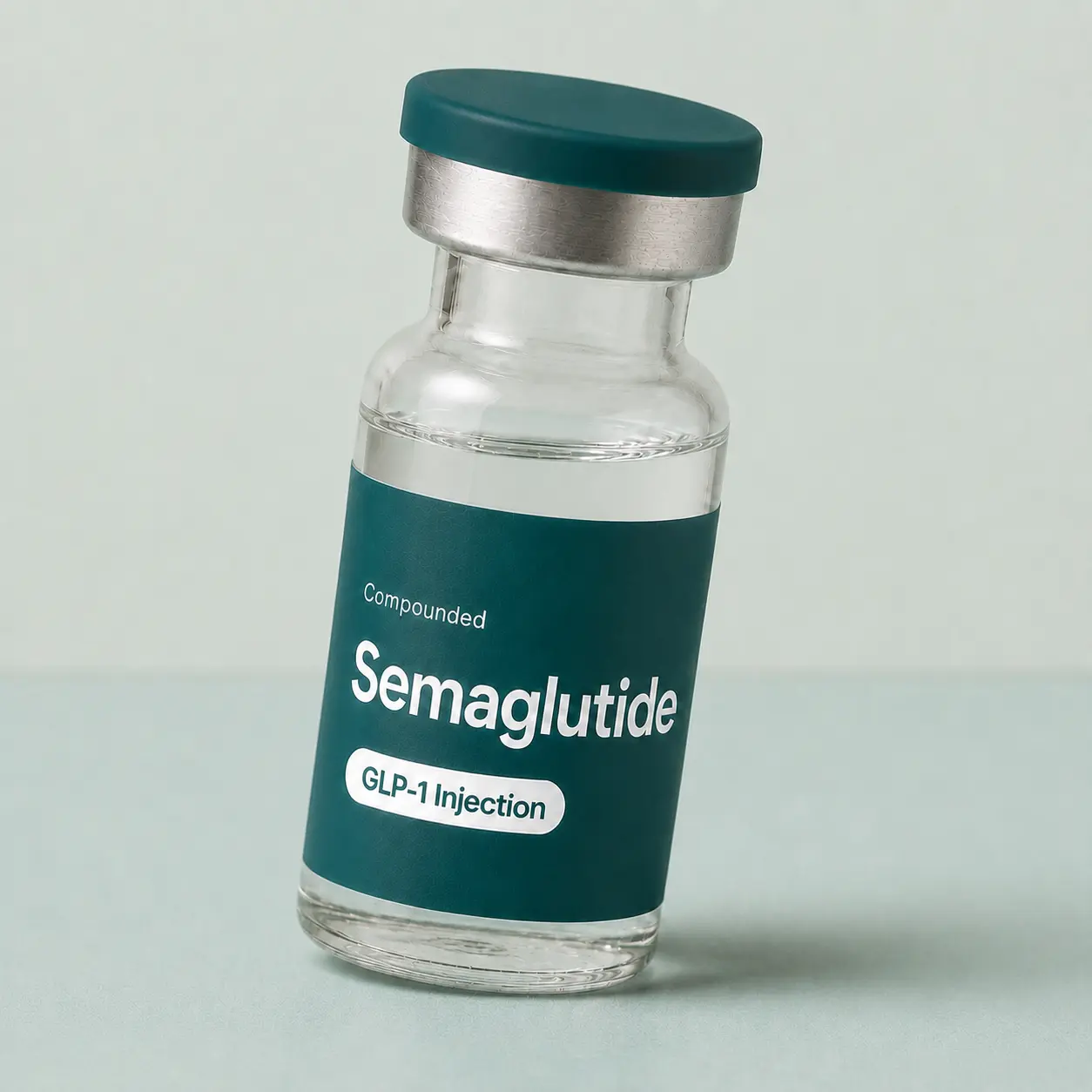
Semaglutide has stronger long-term safety evidence than any weight-loss drug before it: the SELECT trial (Lincoff et al., NEJM 2023) followed 17,604 adults for a mean of more than three years, and the headline finding was benefit, not harm — 20% fewer major cardiovascular events. Past that window, we don’t know — not “probably fine,” but genuinely unmeasured, because the trials haven’t run longer.
What 17,604 people over three years showed
SELECT enrolled adults with established cardiovascular disease and no diabetes, then followed them for over three years on average — the largest long-term safety dataset for semaglutide, or for any GLP-1. Major adverse cardiovascular events — heart attack, stroke, cardiovascular death — fell 20% in relative terms (hazard ratio 0.80) versus placebo.
Size and length are why this trial anchors the safety question. Rare harms need big denominators; slow harms need years. SELECT had both, and its result was protection.
That is not the same as easy. Nausea, reflux, constipation, and early fullness are common, and they follow mechanically from slowed gastric emptying. Managing them is its own topic, covered in the GLP-1 side-effects guide.
The boxed warning, translated
Semaglutide and tirzepatide carry the FDA’s most serious warning, and it deserves a precise reading. In rodent studies, these drugs caused thyroid C-cell tumors. Whether that applies to humans is unknown — not “unlikely,” not “disproven.” Unknown. The warning is anchored in the rodent finding; the human question remains open.
Because it can’t be ruled out, one exclusion is absolute: a personal or family history of medullary thyroid carcinoma or MEN 2 (multiple endocrine neoplasia type 2) rules these drugs out entirely. Pregnancy is a second hard stop — GLP-1s are not for use while pregnant.
Pancreatitis gets caution, not a verdict
The labels flag a history of pancreatitis as a reason for care, and the concern is mechanistically plausible: acting on the pancreas — enhancing glucose-dependent insulin secretion — is part of how these drugs work. If you’ve had pancreatitis, say so at intake. It changes the risk calculus, and sometimes the answer.
Tirzepatide is on a shorter clock
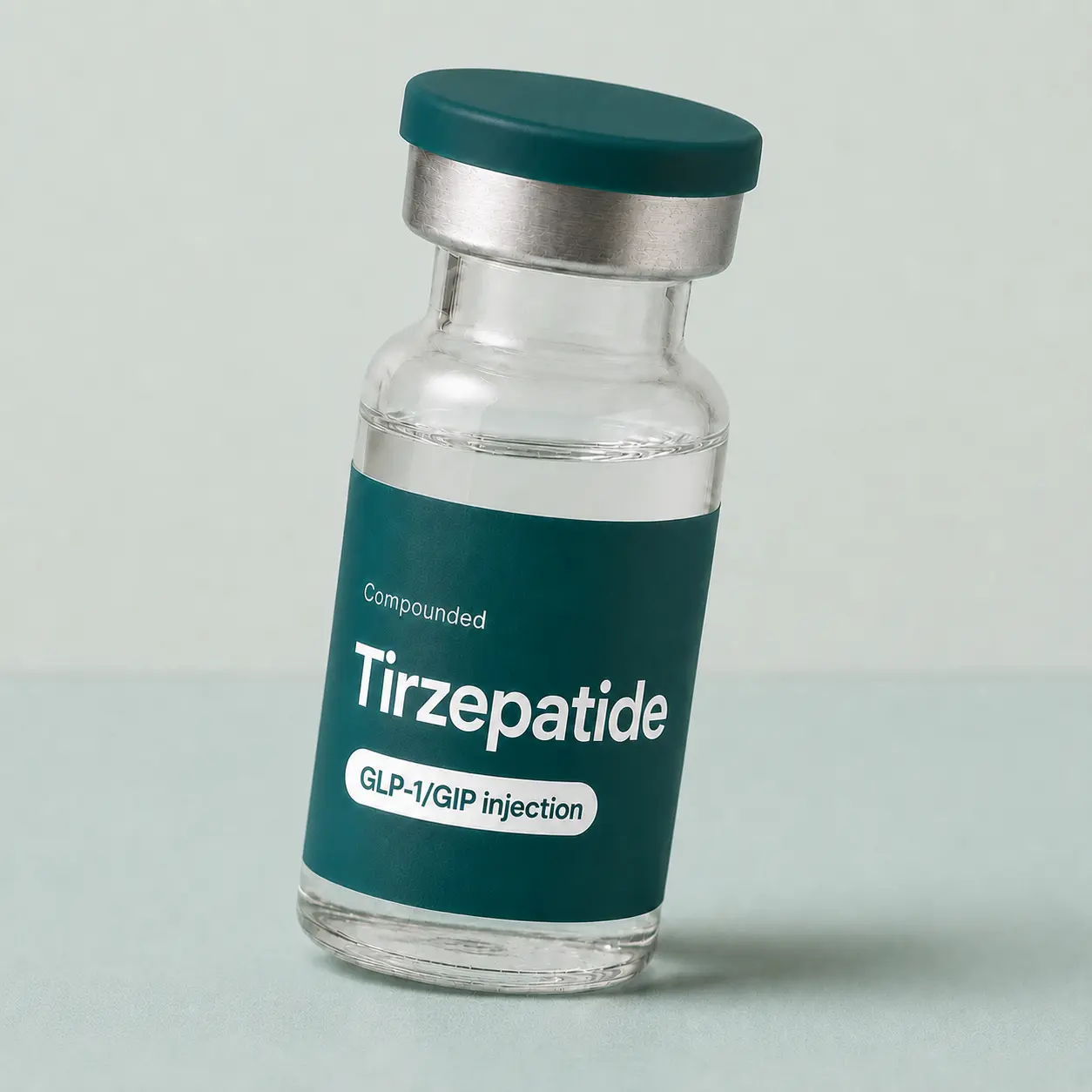
The evidence between the two molecules is lopsided, and you should know which side yours is on. Semaglutide has SELECT. Tirzepatide’s largest trial, SURMOUNT-1 (NEJM 2022), ran 72 weeks in 2,539 adults — stronger weight loss, much shorter safety clock. Nothing at SELECT’s scale or duration exists for tirzepatide yet. That’s not a strike against it; it’s a younger molecule. But “probably similar” is an assumption, and we’d rather label it as one.
Where the data actually ends
Three things are genuinely unmeasured:
- Anything past SELECT’s follow-up. The trial’s mean follow-up was just over three years. Beyond that window there is no controlled safety data at weight-loss doses. Anyone claiming certainty past it — reassuring or alarming — is guessing.
- Whether SELECT’s protection generalizes. The trial enrolled people who already had cardiovascular disease. The same benefit in lower-risk people is plausible and untested.
- Decade-scale use. Stopping typically brings substantial regain — STEP 4 (JAMA 2021) and SURMOUNT-4 (JAMA 2024) both showed it — so many people will take these drugs for ten years or more. Nobody has ten-year data.
Before you start
The screening that matters is short: medullary thyroid carcinoma or MEN 2 in you or your family, prior pancreatitis, pregnancy. Those decide whether a GLP-1 is on the table at all; everything after is dose, titration, and follow-up. Start with the quiz — a Zappy clinician reviews every case within 24 hours, and these histories are exactly what that review is built to catch.