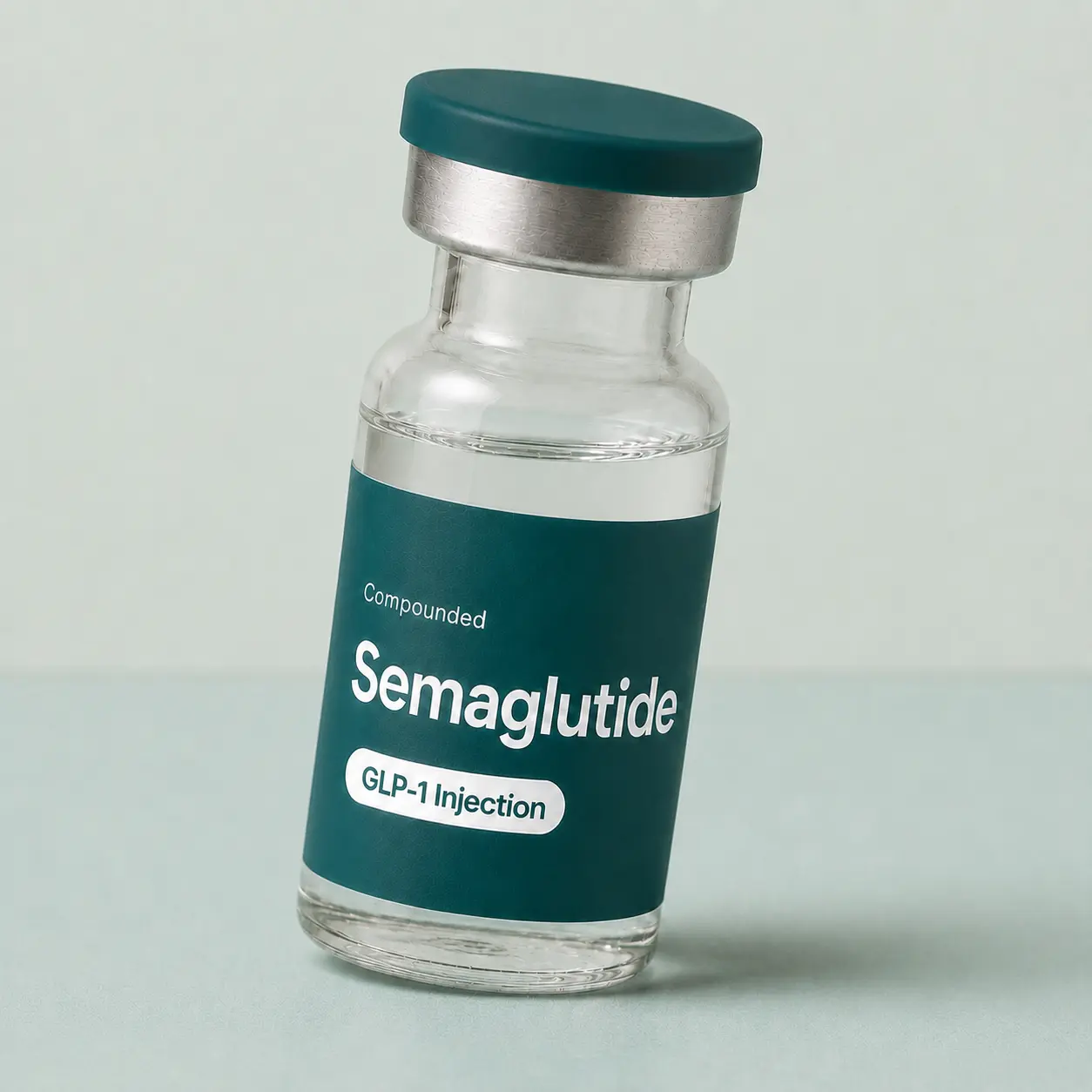
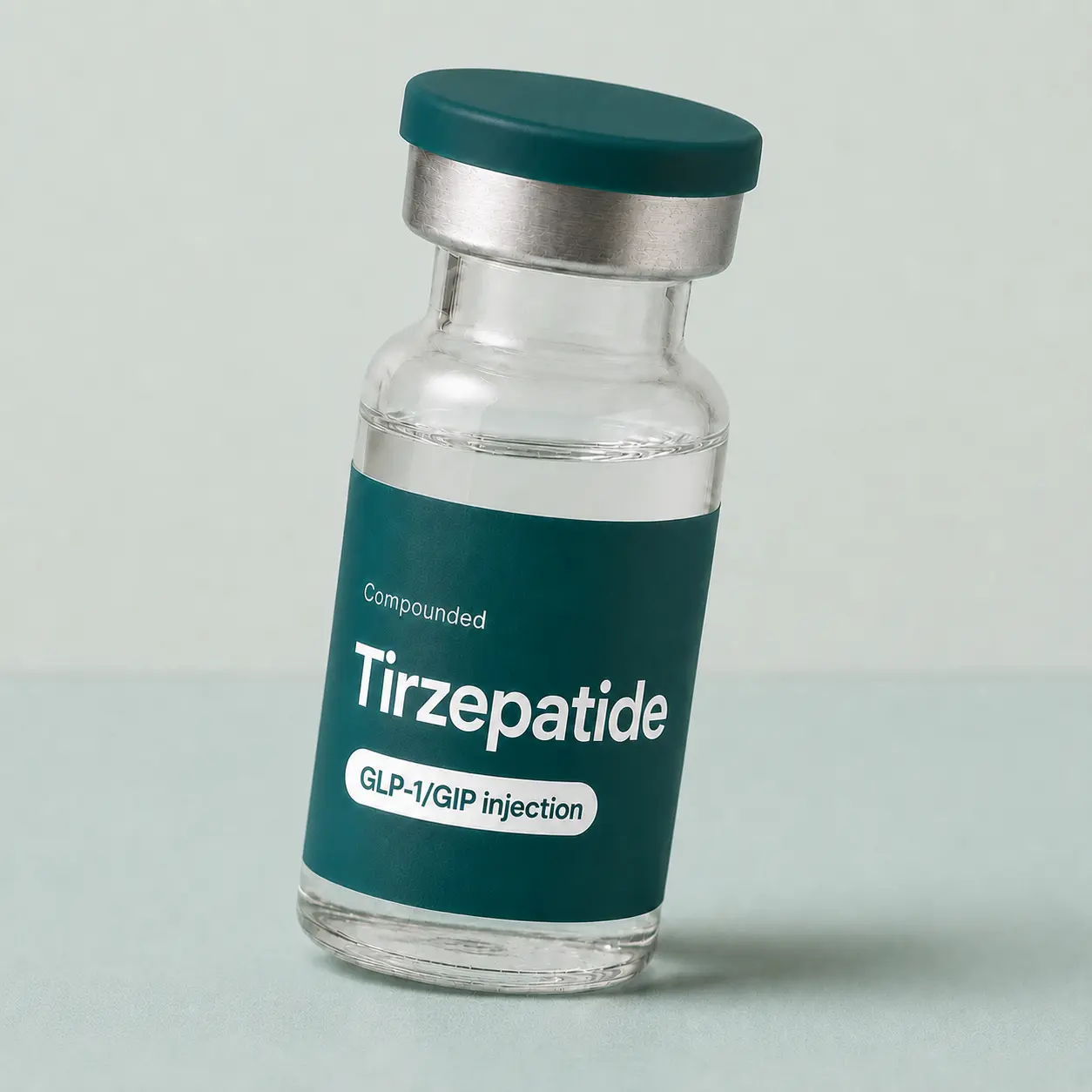
Plan on years, not months. Semaglutide and tirzepatide are chronic-condition medications: the trials behind every headline number ran 68 to 72 weeks with no exit built in, and keeping the weight off generally means staying on some dose long-term.
That answer surprises people who expected something closer to a course of antibiotics.
The trials assume you don’t stop
STEP 1 (Wilding et al., NEJM 2021, n=1,961) put people on weekly semaglutide 2.4 mg for 68 weeks: −14.9% of body weight, against −2.4% on placebo. SURMOUNT-1 (Jastreboff et al., NEJM 2022, n=2,539) ran tirzepatide for 72 weeks: −20.9% at the 15 mg dose. In both trials, that final week is where the measuring stopped, not the medication.
The longest look we have is SELECT (Lincoff et al., NEJM 2023, n=17,604): people with established cardiovascular disease stayed on semaglutide for more than three years on average, and major cardiovascular events fell 20% in relative terms (HR 0.80). Three-plus years on drug, in seventeen thousand people, is also the best long-term safety dataset this class has.
There’s a floor on the timeline, too: reaching full dose takes months by itself. Semaglutide titrates 0.25 → 0.5 → 1.0 → 1.7 → 2.4 mg in roughly four-week steps, about 16 weeks to the top dose if side effects don’t slow the ramp. Tirzepatide starts at 2.5 mg and steps up every four weeks toward 10–15 mg, which takes three to five months. Anyone quitting at month three has mostly experienced the ramp, not the drug.
One caveat that outlasts any timeline: this class carries a boxed warning for thyroid C-cell tumors seen in rodents (human relevance unknown), is contraindicated with a personal or family history of medullary thyroid carcinoma or MEN 2, warrants caution with a history of pancreatitis, and is not used in pregnancy.
The regain data is the reason
GLP-1 receptor agonists quiet appetite circuits in the hypothalamus and hindbrain, and slow gastric emptying. Those effects last as long as the molecule is in your system. The drug doesn’t reset your appetite; it holds it down.
The withdrawal trials show what happens when it lets go. In STEP 4 (Rubino et al., JAMA 2021), people switched to placebo at week 20 regained weight while those who continued kept losing it. SURMOUNT-4 (Aronne et al., JAMA 2024) put numbers on it: stopping tirzepatide meant regaining about 14% of body weight over the following year; continuing meant losing a further 5.5%.
This is the blood-pressure-pill pattern, not the antibiotic pattern. Nobody calls lisinopril a failure because pressure climbs when you stop taking it. The pace of regain, the muscle-versus-fat question, and how to slow it are a separate topic — see our guide to stopping GLP-1s.
What actually sets your timeline
Four things, not equally weighted:
- Whether it’s working. Trial means hide a spread; some people lose well under −14.9%. If loss stalls early, the next step is typically finishing titration or considering a different molecule, not abandoning the class.
- Side effects. Nausea, reflux, constipation, and early fullness all follow mechanically from slowed gastric emptying. They cluster around dose increases, and the labels call for slowing the titration when they show up rather than stopping outright.
- Cost. Medicare Part D is barred by statute from covering weight-loss drugs, and commercial plans often exclude them, so a multi-year medication is frequently a cash-pay decision. Zappy is cash-pay and FSA/HSA-eligible; current pricing for compounded semaglutide and tirzepatide is on each treatment page. Whatever the source, budget for the timeline the evidence describes, not the month in front of you.
- Your plan at goal weight. The next section.
At goal weight: continue, maintain, or stop
The evidence is lopsided across the three options.
- Continue at full dose. The best-supported choice. SELECT is three-plus years of people doing exactly this, with a cardiovascular benefit on top.
- Drop to a maintenance dose. Mechanistically plausible, but no large trial has tested whether a lower dose holds weight long-term. We don’t know where the floor is. What that decision involves: our maintenance dose guide.
- Stop entirely. Expect the SURMOUNT-4 pattern unless your eating, training, and appetite have genuinely changed underneath the drug. If you go this way, plan the exit with your clinician instead of letting the prescription lapse — dose, timing, and what to watch for are individual decisions.
If you’re at the deciding stage, take the quiz; a clinician reviews every case within 24 hours. But settle the timeline question before you start. If you can’t sustain the medication, logistically and financially, for at least a year, you’re buying the regain curve, not the results.