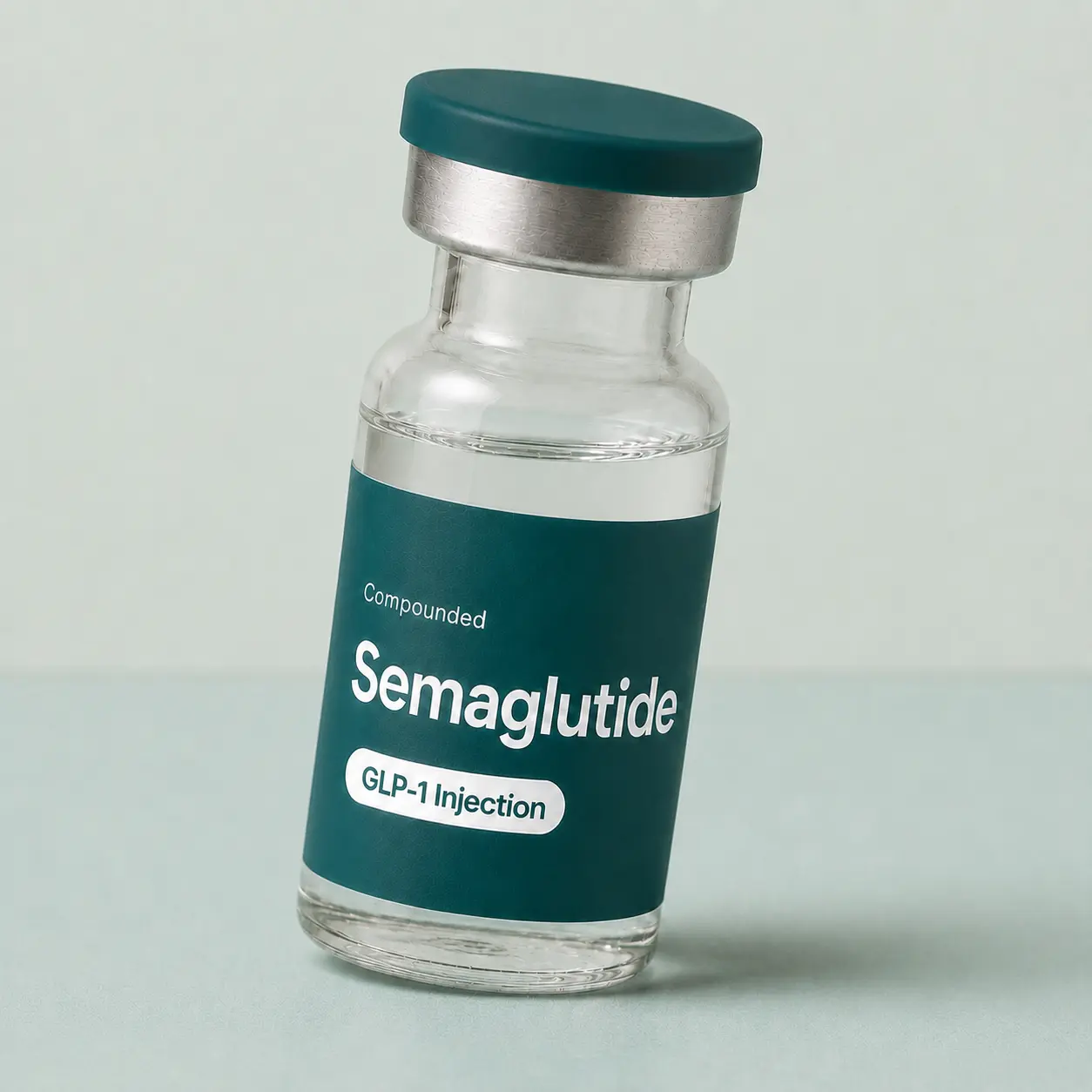
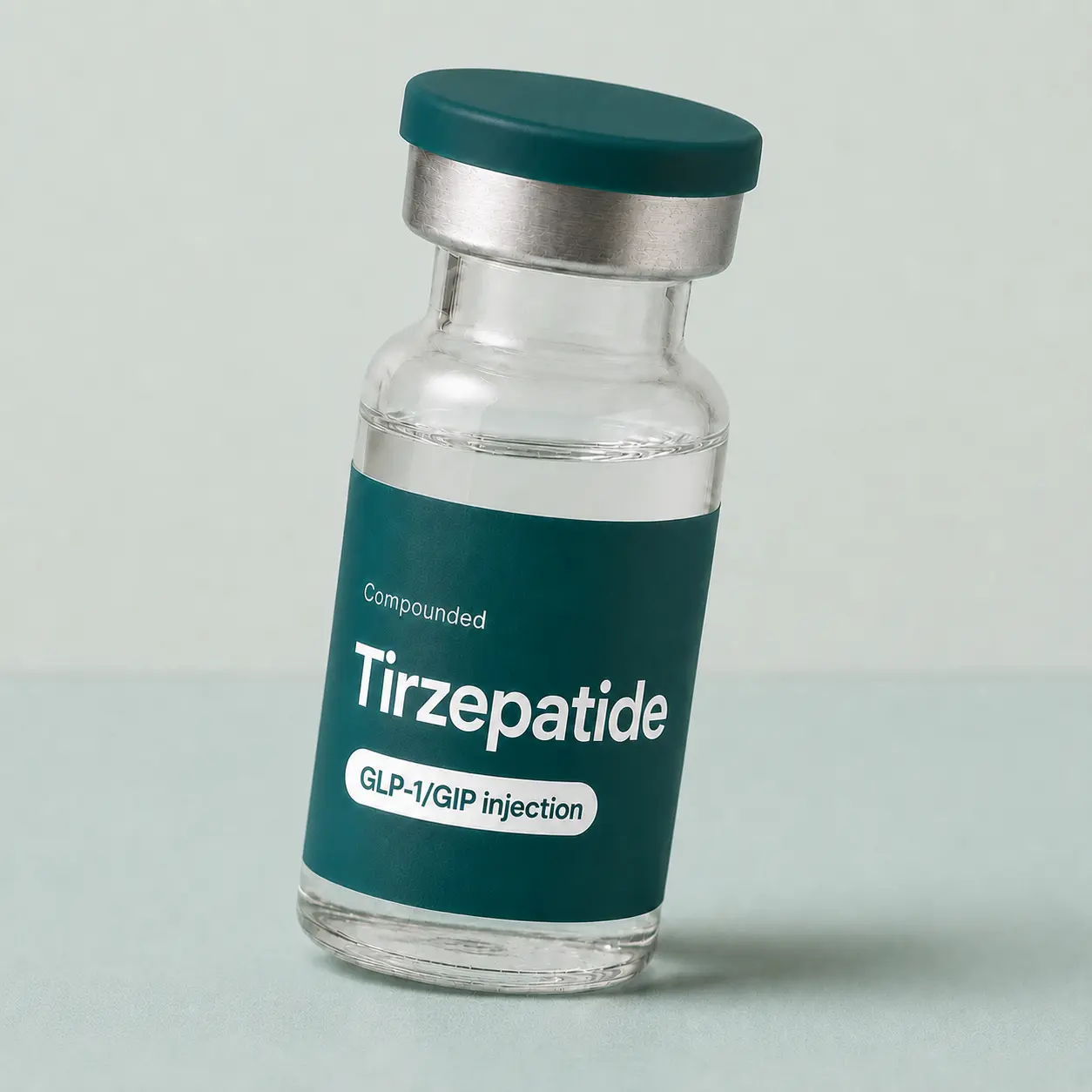
Two numbers answer this: a BMI of 30 or higher qualifies you for a GLP-1 on its own, and a BMI of 27–29.9 qualifies you if you also have at least one weight-related condition — high blood pressure, type 2 diabetes, high cholesterol, or sleep apnea, among others. That is the FDA label standard for semaglutide (Wegovy) and tirzepatide (Zepbound), and it is the framework Zappy’s clinicians use.
The rest is where those numbers come from — and what happens when your case isn’t clean.
Where 30 and 27 come from
Regulators didn’t invent the cutoffs. The trials did. STEP 1 (Wilding et al., NEJM 2021) enrolled 1,961 adults at exactly this gate: BMI 30+, or 27+ with at least one weight-related condition, treated or untreated. SURMOUNT-1 (Jastreboff et al., NEJM 2022) used the same entry rule for its 2,539 participants. The FDA labels mirror the populations studied.
So 30/27 is not a medical verdict that 29.9 is fine and 30.0 is not. It is the edge of the evidence — prescribe inside those lines and you prescribe where the trials actually looked. (What happened to the people in those trials — results, side effects, mechanism — is the GLP-1 guide’s territory.)
The thresholds in pounds
BMI is weight in kilograms divided by height in meters squared. In US units: 703 × pounds ÷ inches². What the two cutoffs look like at three heights:
- 5’4” — BMI 27 starts at 158 lb; BMI 30 at 175 lb
- 5’8” — 178 lb and 198 lb
- 6’0” — 200 lb and 222 lb
Your own numbers take ten seconds at the BMI calculator.
What counts as a comorbidity
The labels name examples: high blood pressure, type 2 diabetes, and dyslipidemia — high cholesterol or triglycerides. Zepbound’s label adds obstructive sleep apnea and cardiovascular disease. Note the labels’ own wording: “e.g.” Examples, not a closed list.
Two details matter in practice. First, treated or untreated both counted in the trials — hypertension you haven’t seen a doctor about is still hypertension. Second, clinicians commonly weigh conditions beyond the label’s short list: prediabetes, PCOS, fatty liver disease. That last part is practice judgment, not trial-anchored, and it is exactly the kind of call that belongs to your reviewing clinician rather than a checkbox.
BMI screens. It doesn’t decide.
BMI is height-and-weight arithmetic. It cannot see body composition: a 5’10” lifter at 209 lb and a 5’10” desk worker at 209 lb both screen at BMI 30.0 with completely different amounts of body fat. It cannot see fat distribution either, and visceral fat — the kind packed around organs — drives metabolic risk more than the scale does. The standard cutoffs also fit some populations badly: a WHO expert consultation (2004) set lower action points for Asian populations, 23 and 27.5, because cardiometabolic risk climbs from a lower starting BMI.
The screen cuts the other way too. A qualifying BMI is necessary here; it is not sufficient. A personal or family history of medullary thyroid carcinoma or MEN 2 is a contraindication at any BMI — that is the boxed warning on both drugs. Pregnancy, or trying to conceive, rules these medications out. A history of pancreatitis calls for real caution. None of that shows up in a BMI calculator, which is why no serious prescriber stops at one.
What the Zappy intake does with your number
The quiz collects the whole picture: height and weight, yes, but also conditions, medications, and the history that decides safety — thyroid, pancreatitis, pregnancy. A licensed clinician reviews every case within 24 hours. BMI opens the door; the history decides what happens next — including, sometimes, a no.
A BMI of 27 to 29 needs a comorbidity that has been diagnosed and is being treated — not one you suspect. Blood pressure you know is high but have never had confirmed does not move the needle; hypertension with a prescription behind it does. The distinction is not bureaucratic. Prescribing a GLP-1 to someone with untreated hypertension means treating the weight while the more immediate risk goes unaddressed, and the right first step there is a primary care visit, not a titration schedule.
It also runs the other way. A qualifying BMI is not a yes. Medullary thyroid carcinoma or MEN 2 in you or your family is an absolute stop at any BMI. So is pregnancy or actively trying to conceive.
And BMI cannot tell muscle from fat. A lifter at 31 with a normal waist and clean metabolic labs may not have the problem the number describes — and in that case the honest answer is not a prescription. It happens rarely. It is also the reason a clinician reads the whole intake instead of the BMI field.
One thing you won’t face here: an insurer’s prior-authorization checklist. Medicare Part D is barred by statute from covering weight-loss drugs, and commercial plans often exclude them or demand documented diet programs first. Zappy is cash-pay and FSA/HSA eligible, so the test is the label criteria plus clinical judgment — nothing else.
The next step
Run your height and weight through the BMI calculator. At 30 or above, you clear the screen outright. At 27–29.9, list your diagnoses — including the ones you suspect but haven’t had confirmed — before you start the quiz. The clinician reviewing your case can only weigh what you report.