Sometimes — but “no” is the default, and you should plan around it. Medicare is barred by federal statute from covering drugs for weight loss, and commercial plans often exclude weight-loss GLP-1s outright or cover them only behind prior authorization.
Whether you are covered comes down to which plan you have — and, for most working people, a decision your employer made before you ever asked. Here is the landscape, then the exact questions that get you a real answer in one phone call.
Medicare’s no is written into the law
Part D cannot cover drugs prescribed for weight loss. That is not a formulary choice some plan made; it is a statutory exclusion, on the same list that keeps hair-growth and fertility drugs out of the benefit. No appeal letter changes it.
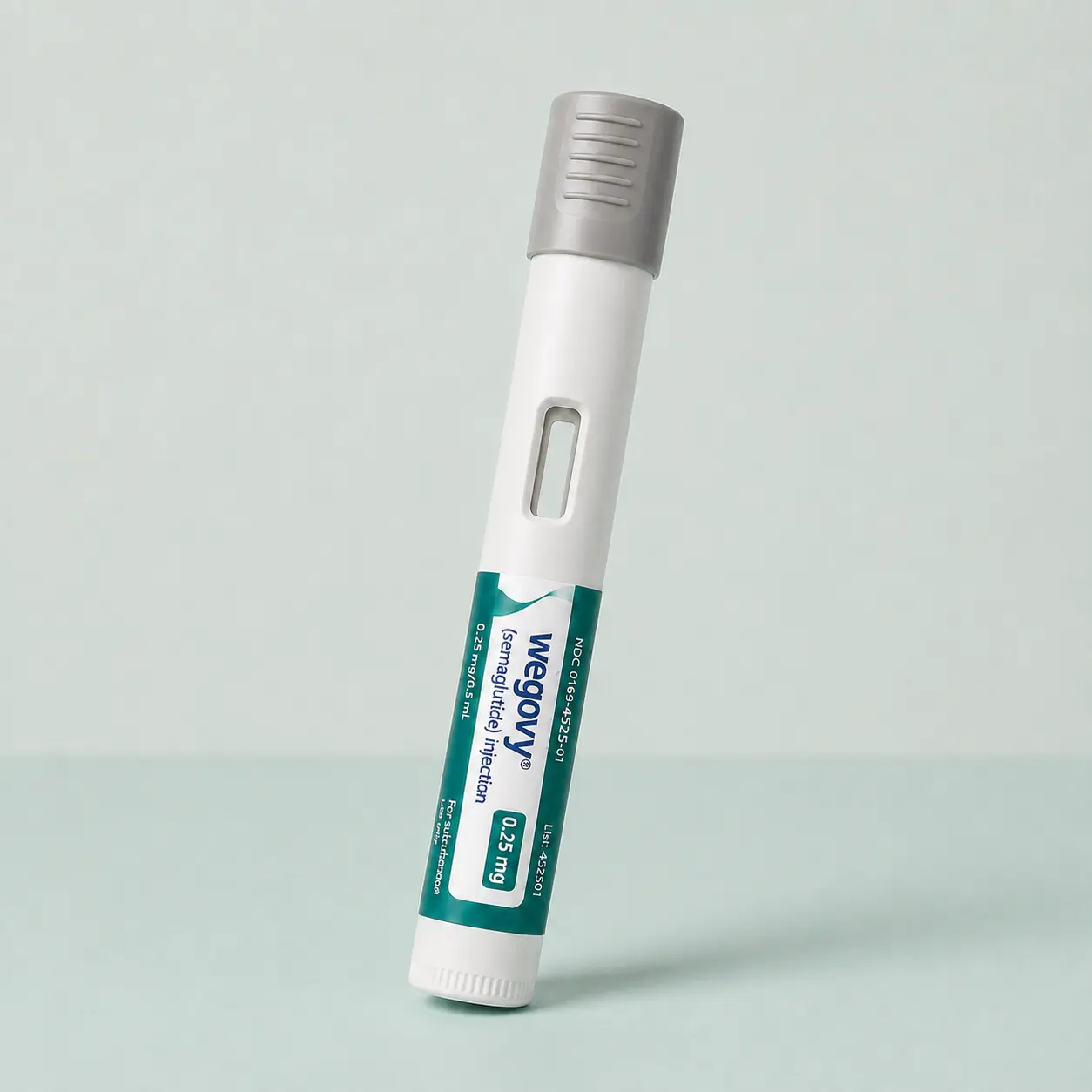
There is one exception, and it is narrow. In SELECT (Lincoff et al., NEJM 2023, n=17,604), semaglutide cut major cardiovascular events by 20% in relative terms in people with established heart disease and no diabetes. On the strength of that trial, Wegovy picked up a cardiovascular indication, and Medicare drug plans can cover it for that specific use, with the heart disease documented. For weight loss alone, the answer is still no.
Medicaid is state-by-state: a few states cover GLP-1s for obesity, most do not, and the list shifts year to year.
Your employer decided this before you asked
Commercial coverage is not really decided by “your insurance company.” Employers choose whether the pharmacy benefit includes weight-management drugs as a category, and many carve the whole category out; the drug’s evidence never enters the decision. That is why one person pays a modest copay while a neighbor holding the same insurer’s card gets a denial letter citing a plan exclusion.
If the category is excluded, prior authorization and appeals mostly cannot fix it. If it is covered, you still have to clear prior auth.
What prior authorization actually asks for
Criteria vary by plan, but the pattern is consistent. Most mirror the FDA label: BMI of 30 or higher, or 27 with a weight-related condition such as hypertension or sleep apnea. Many add documented lifestyle attempts, often three to six months, and some require step therapy through an older, cheaper medication first. Reauthorization is the part people miss: plans commonly re-review at six or twelve months and require around 5% weight loss to keep paying.
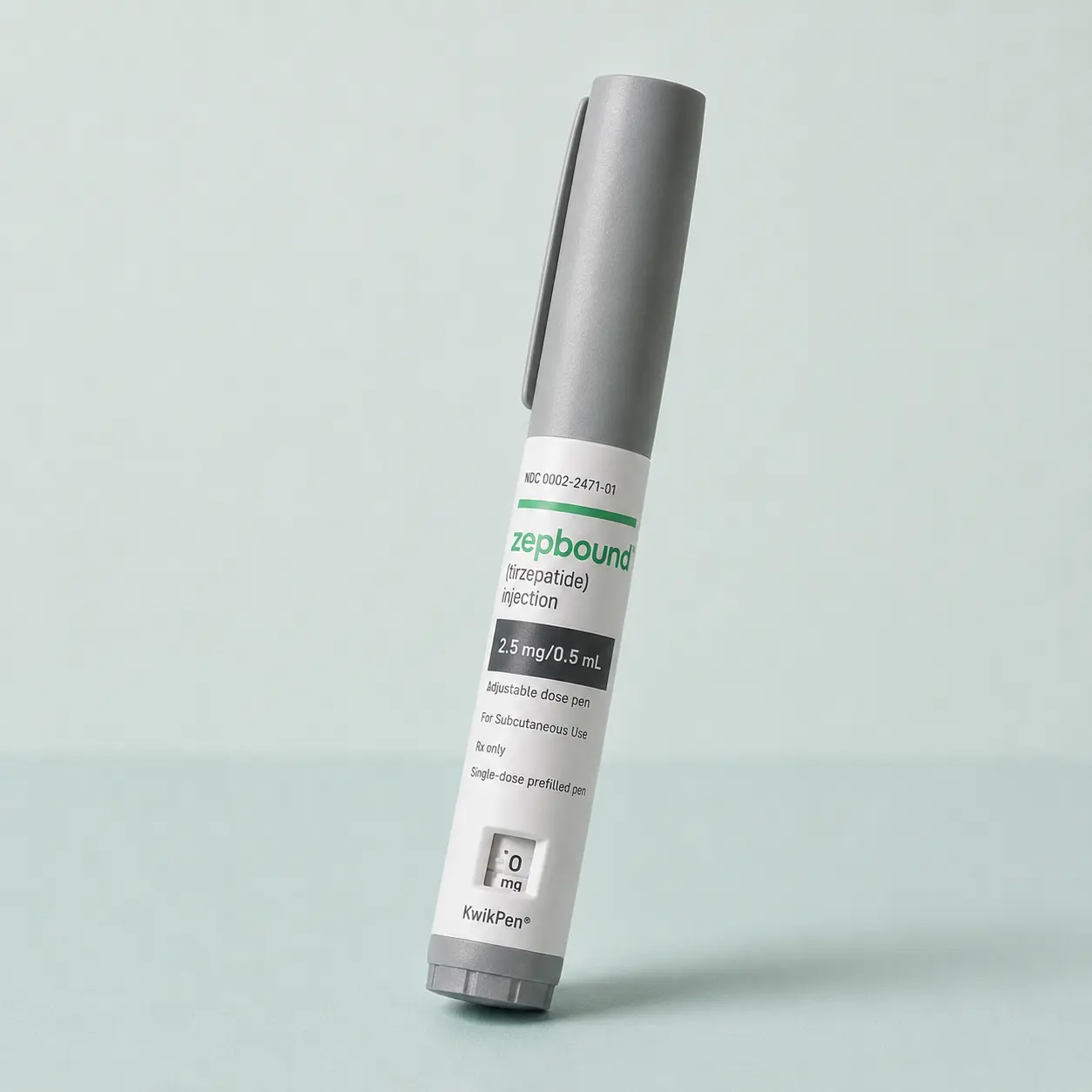
Approval is not permanent either. Formularies reset every January, and a plan that covers Wegovy this year can drop it next. That is a clinical problem, not a paperwork one: in SURMOUNT-4 (Aronne et al., JAMA 2024), people withdrawn from tirzepatide regained about 14% of body weight over the following year, while those who continued lost a further 5.5%. Before you start on insurance, know what keeping the coverage requires.
Call your plan and ask these five questions
The number is on the back of your card; ask for pharmacy benefits.
- Is Wegovy — or Zepbound — on my formulary, and at what tier?
- Does my plan exclude weight-management medications as a category? Ask even if the drug appears on the formulary; an employer carve-out overrides it.
- What are the exact prior-authorization criteria — BMI cutoff, documented diet program, step therapy?
- What does reauthorization require after the first six or twelve months?
- What will I actually pay per month after my deductible?
Write the answers down and get a reference number. Then run them against the full math — list prices, deductibles, cash options — in our GLP-1 cost guide.
Why so many people end up paying cash
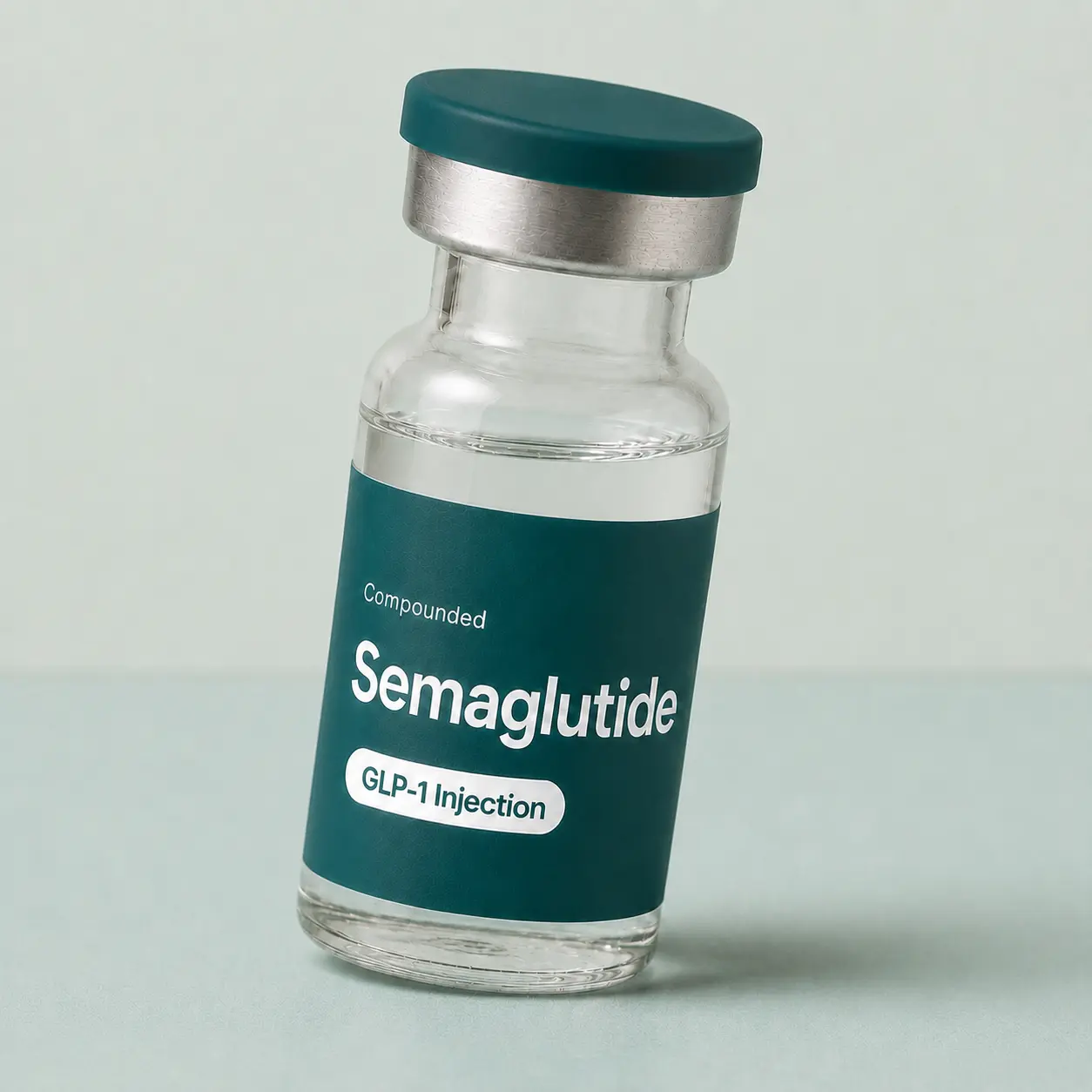
Add up the category exclusions, the denials, and the annual re-litigation of approval, and the pattern makes sense: many people decide the fight costs more than the certainty. Without coverage there are still two cash routes. Novo Nordisk and Eli Lilly both run direct-pay programs for their own pens, priced well below retail — Wegovy and Zepbound each list their current rate. Compounded semaglutide and tirzepatide — prepared by LegitScript-verified 503A US pharmacies, though not FDA-approved as compounded preparations — are priced on their own treatment pages. No insurance is involved at any step, and FSA/HSA cards are accepted.
Make the ten-minute phone call first; it ends the guessing. If the answer is a category exclusion, skip the appeal — you would be arguing medicine against a contract — and price the cash route instead: the two-minute quiz starts that, and a clinician reviews your case within 24 hours. Whatever answer you get, it holds for this plan year, not necessarily the next.