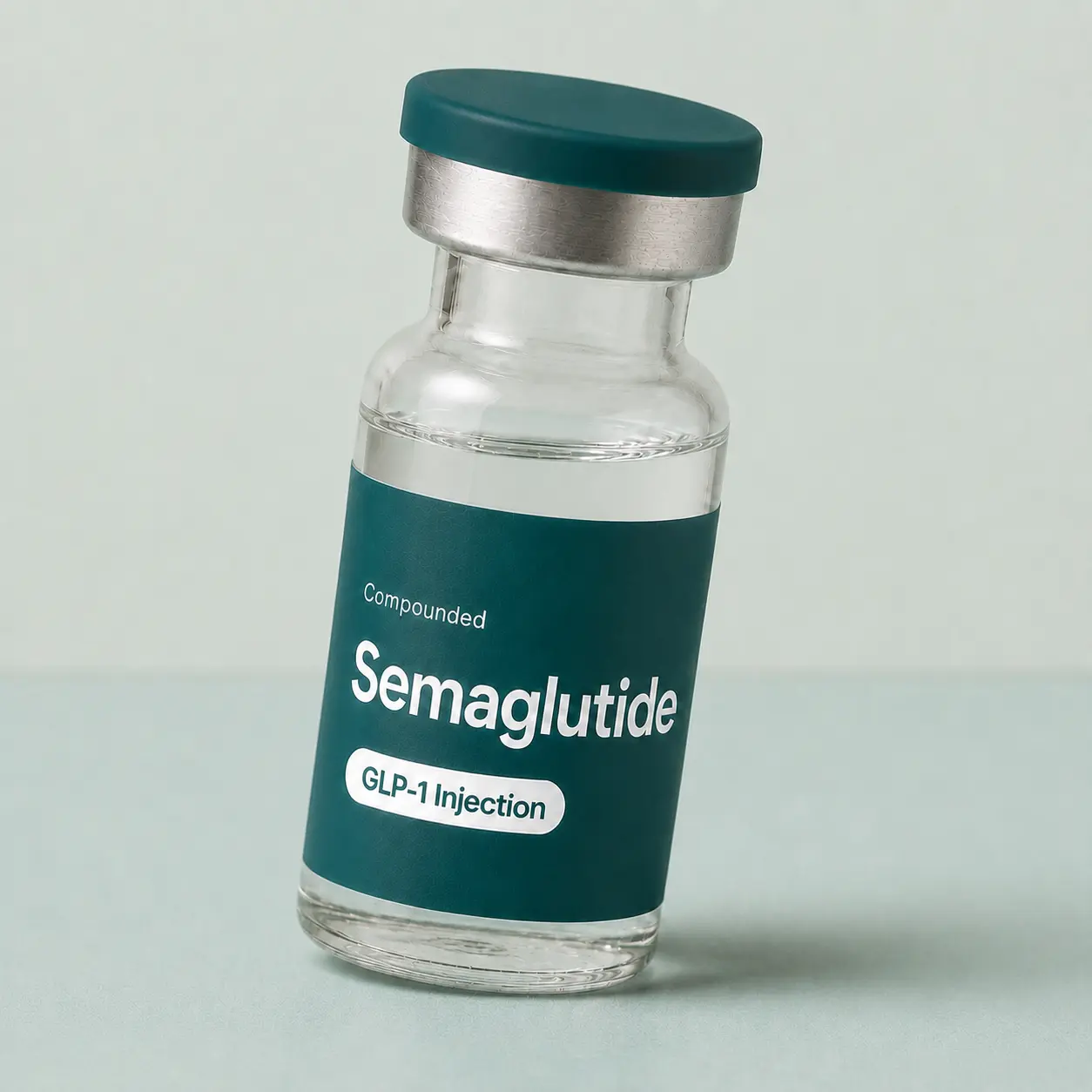
Most “semaglutide isn’t working” verdicts get delivered in the first eight weeks — at 0.25 or 0.5 mg, doses designed to train your gut, not to move weight. True non-response exists, but you can only call it after eight weeks at a therapeutic dose with clean adherence. This checklist separates the two.
You may not have reached the real dose yet
Semaglutide titrates 0.25 → 0.5 → 1.0 → 1.7 → 2.4 mg weekly, in roughly four-week steps. The first month at 0.25 mg is a tolerance dose. At label pace, reaching 2.4 mg takes about 16 weeks — longer if side effects slow the climb.
The number everyone quotes — 14.9% average weight loss in STEP 1 (Wilding et al., NEJM 2021, 1,961 adults) — was measured at week 68, at 2.4 mg, against 2.4% for placebo. Those participants spent their first four months just climbing the ladder. If you’re six weeks in on 0.5 mg and comparing yourself to that number, you’re not failing. You’re reading the last page first.
Check your appetite before the scale
The earliest reliable signal isn’t weight. Semaglutide acts on hypothalamic and hindbrain appetite circuits and slows gastric emptying; the felt result is quieter food noise, earlier fullness, portions that shrink without negotiation. These appetite changes often show up before the dose is high enough to register on the scale.
So ask the sharper question: is your hunger different? If yes, the mechanism is engaged, and weight tends to follow the dose. If your appetite is truly unchanged at 1.0 mg or above, write that down. It’s the single most useful data point you can hand your clinician.
Audit the boring failure points
- Missed doses. The label rule: within five days of a missed dose, take it; past five days, skip and resume your schedule. (Your clinician may set a different plan.) Two quietly skipped doses in eight weeks is a 25% dose cut you didn’t know you made.
- Storage. Semaglutide lives in the fridge at 36–46°F. A vial that rode home in a hot car or sat out for days is a legitimate suspect — products differ on allowed room-temperature time, so check the pharmacy insert.
- Technique. Subcutaneous means the fat of the abdomen, thigh, or back of the upper arm, rotating sites. Redness or a small bump at the site is common and local; anything beyond that deserves a photo to your care team.
The drug quiets hunger — it can’t see everything else
Semaglutide suppresses hunger-driven eating. Eating that was never hunger-driven — stress, boredom, the 9 p.m. ritual — sits outside the mechanism, and liquid calories largely slip past the fullness signal a slowed stomach creates. If your appetite is clearly quieter but the scale hasn’t moved, this is usually where the calories hide. Two honest weeks of logging settles it faster than any dose change.
How to call true non-response
Call it only when all four hold:
- You’ve held 1.7 or 2.4 mg — or your maximum tolerated dose — for at least eight weeks
- No missed doses; storage and technique check out
- Appetite genuinely unchanged
- Scale, waist, and clothes all flat since the start
One distinction matters. If you lost steadily for months and then stalled, that’s a plateau — different physiology, different playbook. This checklist is for people who never saw a response at all. That group is real, and far smaller than the volume of week-six verdicts suggests.
When switching to tirzepatide is the right call
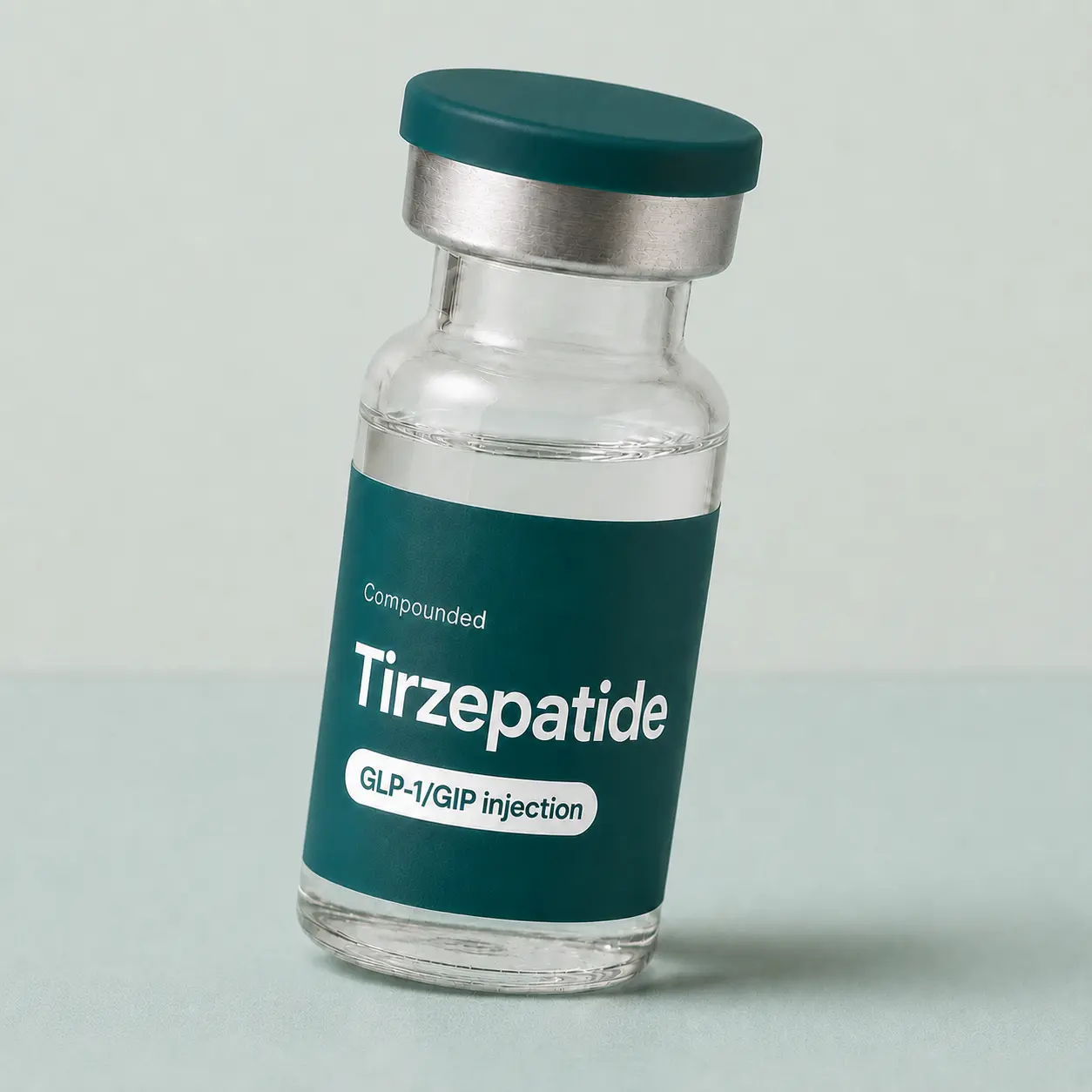
Tirzepatide hits the same GLP-1 receptor and adds GIP agonism, a second pathway. In SURMOUNT-1 (Jastreboff et al., NEJM 2022, 2,539 adults), it produced 20.9% average weight loss at the 15 mg dose over 72 weeks, versus 3.1% on placebo. What we don’t know: no trial has tested tirzepatide specifically in semaglutide non-responders, so nobody can quote you a switch-success rate. The second receptor is the mechanistic reason the outcome can differ; once non-response is confirmed, switching is the usual next move.
Both drugs carry a boxed warning for thyroid C-cell tumors and are contraindicated with a personal or family history of medullary thyroid carcinoma or MEN 2 — the same screening that cleared you for semaglutide applies to tirzepatide, and neither is for use in pregnancy.
The switch is simple but not casual: you restart low and re-titrate on the new molecule. Here’s what switching looks like. At Zappy, compounded tirzepatide carries its own pricing, listed on the treatment page, and a clinician signs off on the switch first.
What to bring to your clinician
Five lines: current dose, weeks at that dose, doses missed, appetite (changed or unchanged), and what the tape measure says. That turns “it’s not working” into a decision someone can actually make — hold, titrate, fix adherence, or switch molecules. If you’re a Zappy member, send those five lines to your care team. If you’re not, the two-minute quiz puts them in front of a clinician who reviews every case within 24 hours.